.png)
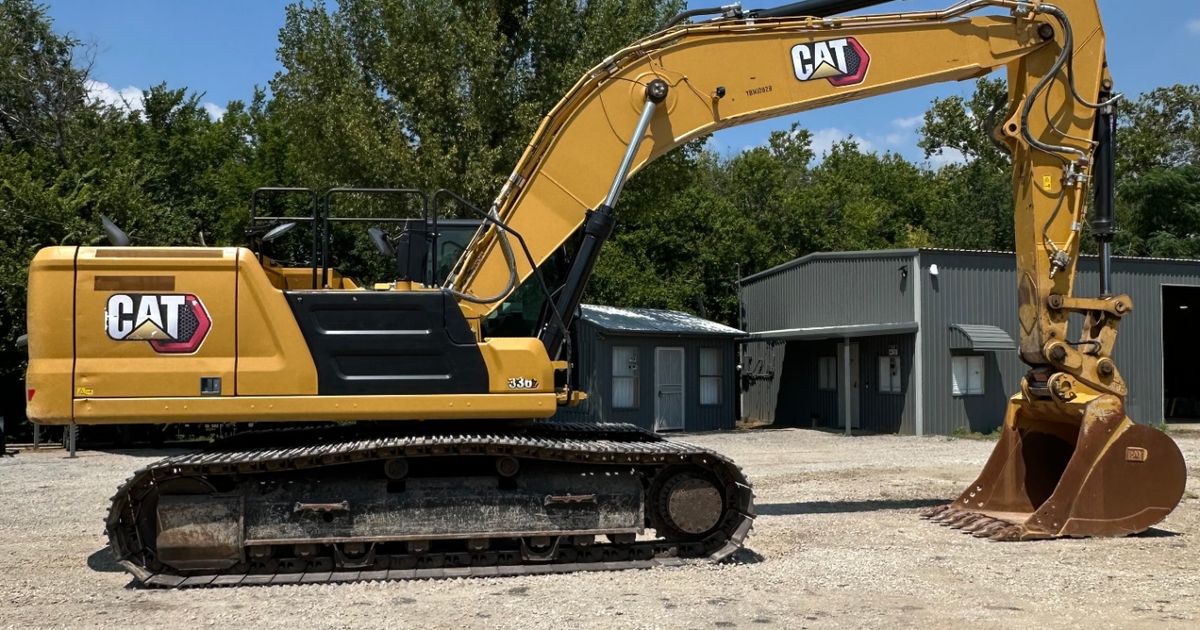
North Texas doesn't get the brutal, sustained winters that northern states deal with, but that's actually part of what makes our cold snaps more dangerous for equipment operators. When Denton, Prosper, McKinney, and the surrounding area see a hard freeze — sometimes dropping to the low teens overnight — construction crews are often caught off guard because it happens so infrequently. Equipment that sat in 75-degree heat one week can be facing 18-degree mornings the next. We've seen more cold-weather equipment problems stem from that false sense of security than from any other cause.
Over the years managing our rental fleet across North Texas — serving job sites from Wichita Falls down through Fort Worth to Waco, and from Sherman and Denison west toward Weatherford and Bowie — we've developed a clear picture of what cold weather actually does to heavy equipment in this specific region. It's not the same as cold-weather operation in Minnesota. The soil conditions, the temperature swings, and the short duration of freezes all create a unique set of challenges worth addressing directly.
Key Takeaways
- Hydraulic fluid viscosity increases 200-400% in sub-freezing temps — always idle equipment for 10-15 minutes before full-cycle operation
- North Texas black gumbo clay can freeze solid and then turn to slick mud within hours during a freeze-thaw cycle, dramatically changing digging resistance
- Diesel fuel begins to gel around 20°F — use a winter blend or add fuel treatment for any extended cold snap below freezing
- CAT equipment with GRADE and PAYLOAD technologies can underperform during extreme cold if sensor warm-up procedures are skipped
- A two-day hard freeze in the DFW area can lock caliche rock formations differently than dry-season digging — plan for up to 30% more breakout force requirements
What Happens to Hydraulic Systems When Temperatures Drop Below Freezing?
Hydraulic fluid is the lifeblood of every excavator, dozer, and skid steer in our fleet, and cold temperatures attack it directly. Hydraulic oil viscosity increases dramatically as temperatures fall — in sub-freezing conditions, viscosity can climb 200-400% compared to operating at 70°F. That means the fluid moves slower, creates higher internal pressure on seals and hoses, and delivers sluggish, unresponsive control inputs to operators who aren't expecting it.
The practical consequence on a North Texas job site is that an operator who fires up a CAT 320 or 335 excavator and immediately swings into full-cycle digging is putting enormous stress on every hydraulic component — cylinders, pumps, motors, and lines. We've seen hose failures and pump cavitation that trace directly back to cold starts without proper warm-up. The fix is straightforward: idle the machine for 10-15 minutes after startup, then cycle through all hydraulic functions slowly — boom up and down, stick in and out, bucket curl — before loading the system. This circulates fluid through the entire system and brings temperatures up gradually.
For extended cold snaps in the Denton and Fort Worth area, we recommend asking your rental provider about fluid specification. CAT's cold-weather operating guidelines recommend switching to lower-viscosity hydraulic fluid — typically a multi-grade oil rated for cold starts — when sustained temperatures below 32°F are expected. Most standard hydraulic fluid is rated for 0°F starts, but North Texas freeze events often come with wind chill and equipment that's been sitting outside overnight, so starting fluid temperatures can be well below ambient air temperature.
How Does North Texas Frozen Ground Affect Excavation and Grading Work?
The freeze-thaw behavior of North Texas black gumbo clay is genuinely unlike anything you'll encounter in other regions, and it creates some of the most unpredictable digging conditions we see all year. Our heavy clay soils — particularly in areas like Argyle, Celina, Van Alstyne, and across much of the DFW Metroplex — absorb moisture readily during wet seasons. When those saturated clays freeze, the surface layer can become nearly concrete-hard, requiring significantly more breakout force than dry-season digging in the same soil.
What makes this particularly tricky is the transition. A hard freeze of 24-48 hours might lock the top 4-8 inches of soil solid, but below that, the clay can still be soft and saturated. Operators pushing hard with a dozer blade or excavator bucket to break through the frozen surface can suddenly punch through into soft, yielding material underneath — a jarring transition that puts stress on cutting edges, ground-engaging tools, and boom cylinders.
The caliche rock formations that sit 4-8 feet deep across much of the DFW area respond to freezing conditions differently than the clay above them. Freeze-thaw cycles introduce moisture into existing fracture planes in caliche, which can actually make it slightly more susceptible to breakout than it would be in dry summer conditions. However, the access challenge remains: getting through frozen surface clay to reach caliche depth requires planning. On jobs in Frisco, McKinney, and Prosper — where caliche is a near-constant presence on any commercial or residential site — we advise operators to have a ripper tooth or hydraulic hammer available during winter months, because the frozen surface layer may resist bucket penetration in a way that summer excavation on the same site would not.
According to FHWA research on seasonal subgrade conditions, freeze-thaw cycling in expansive clay soils can temporarily reduce bearing capacity by 40-60% during the thaw phase — a critical factor for equipment positioning and stability on North Texas job sites.
What Cold-Weather Fuel and Engine Precautions Should I Take?
Diesel fuel gelling is a real risk any time temperatures drop below 20°F, and North Texas sees those temperatures more often than people expect — especially overnight in January and February in areas like Gainesville, Bowie, Wichita Falls, and Decatur in the northern part of our service area. When diesel fuel gels, wax crystals form in the fuel and can clog fuel filters, injectors, and fuel lines, preventing the engine from starting or causing it to stall under load.
The practical solution is using winter-blend diesel fuel when available — most major fuel suppliers in the DFW area start blending for cold weather in November — or adding a diesel anti-gel fuel additive rated for temperatures below your expected overnight low. For CAT C-series and ACERT engines, this is especially important because their tight injector tolerances make them more sensitive to fuel contamination from gelled or partially gelled fuel than older mechanical injection systems.
Beyond fuel, cold batteries are a significant issue that gets underestimated on North Texas job sites precisely because our winters are usually mild. A battery that starts a machine fine at 60°F may not have enough cold cranking amps to fire over an engine on a 15-degree morning. We recommend keeping battery maintenance in your winter inspection checklist — load-test batteries before cold season and replace any that are borderline. CAT's ADVISORS telematics system can flag electrical system issues before they strand a machine, which is one of the reasons we encourage customers renting CAT equipment to take advantage of that monitoring capability.
How Do I Protect Equipment That's Sitting Overnight in Cold Weather?
Overnight protection is where most winter equipment damage actually occurs — not during operation, but during the 10-14 hours a machine sits idle on a Crowley, Mansfield, or Irving job site between shifts. Water intrusion into hydraulic cylinders, condensation in fuel tanks, and coolant issues are all exposure problems that happen when machines sit cold.
For any machine that will sit overnight in temperatures below freezing, retract cylinder rods as far as possible before shutdown. Extended cylinder rods expose the polished rod surface to moisture, which freezes and can score seals when the machine starts moving again. This is a small habit that prevents expensive cylinder seal replacements. On CAT excavators and dozers, this means curling buckets under the machine, dropping blades flat, and tucking arms in a rest position.
Fuel tanks should be filled to capacity before an overnight cold snap. A partially empty tank allows air space above the fuel, which introduces moisture through condensation. That moisture can freeze in fuel lines or, over time, promote microbial growth in diesel fuel — particularly relevant on longer projects where equipment may sit on a Weatherford or Waco job site through multiple cold cycles. OSHA's cold weather equipment guidelines also recommend checking coolant freeze protection levels — the standard recommendation is protection to at least -20°F, which is achievable with a 50/50 antifreeze-to-water mix in the cooling system.
Block heaters make a significant difference for machines that need to start reliably in the morning. Most CAT equipment in our fleet is equipped with block heater ports — plugging in overnight keeps engine block temperatures above freezing and reduces cold-start wear on rings, cylinders, and bearings. On job sites without power access, battery-operated diesel-fired preheaters are a practical alternative.
What Should Operators Watch for During Winter Equipment Inspections?
The pre-operation inspection gets more important in winter, not less, and the items to check shift with the season. Hydraulic hoses that handled North Texas summer heat fine may show cracking or brittleness when temperatures drop — cold makes rubber compounds less flexible, and hoses that were already worn or showing surface cracking become genuine failure risks. Walk the machine and flex hoses by hand during the inspection. Any that feel stiff or show cracking should be flagged before the machine goes to work.
Track tension requires attention in freezing conditions as well. Clay soil that freezes around the undercarriage overnight can act as a solid pack that tensions the tracks abnormally when the machine starts moving. We've seen this cause accelerated sprocket wear and thrown tracks on machines whose operators didn't let the undercarriage clear before putting the machine into full travel. A slow back-and-forth in place for the first 60 seconds of operation in frozen conditions helps break any frozen clay pack before full travel loads are applied.
For CAT machines running Grade or Payload systems, the guidance sensors and antenna mounts are external components that can accumulate ice. A thin coat of ice on a grade sensor can introduce enough error to throw off GPS-based grading systems — something operators on precision grading work in Celina, Gunter, or Little Elm need to be aware of. Clean sensor housings as part of the morning inspection, and verify grade system calibration at the start of any shift following an overnight freeze.
The Associated General Contractors of America recommends a documented cold-weather equipment inspection protocol as part of jobsite safety planning — a practice that also protects contractors from liability if equipment-related incidents occur during cold-weather operations.
When Should I Call Off Work Due to Cold Weather Conditions?
North Texas contractors are generally more willing to push through cold than to push through summer heat, which is understandable — our summers are brutal, and a 35-degree morning feels like a relief after months of triple-digit temperatures. But there are cold-weather thresholds where continuing work creates more risk than reward, and recognizing them matters.
Ground that is frozen solid more than 6-8 inches deep should trigger a serious reassessment of excavation work. Forcing bucket penetration into heavily frozen soil doesn't just risk equipment — it creates erratic breakout behavior that can throw material unexpectedly and destabilize trench walls in ways that compliant soil wouldn't. OSHA 1926.651 governing excavation and trenching requires that soil conditions be assessed before and during excavation — frozen surface conditions qualify as a change in soil classification that requires reassessment of trench protection methods.
Active freezing rain or sleet is a hard stop for most elevated equipment work and creates serious stability risks on grades and slopes across the region. North Texas ice events — which Sherman, Denison, Gainesville, and the northern tier of our service area see somewhat more frequently than the DFW core — can coat ramps, haul roads, and slopes with black ice that standard equipment tires and tracks handle poorly. It's not worth the exposure.
When weather creates those kinds of delays, give us a call at (817) 403-4334. Our team can help you assess whether a different attachment configuration or a different machine class makes sense for breaking frozen ground efficiently when conditions allow work to resume — and we can advise on whether the specific equipment you have on rent is properly configured for what you're facing.
Our Recommendations for Winter Equipment Rentals in North Texas
When customers in Denton, Trophy Club, Irving, Carrollton, or anywhere across our service area call us about winter rental needs, we focus on a few consistent recommendations. First, specify your intended conditions when you call — a machine rented for summer utility work in Frisco may be on the correct hydraulic fluid specification for warm weather, and a winter cold snap may warrant a fluid change before the machine goes to work in below-freezing temperatures.
Second, confirm block heater availability on any machine you're renting for extended winter use. Not all rental equipment in the region is equipped the same way, and knowing that detail before the first cold morning saves real headaches. Our fleet is maintained with cold-weather readiness in mind, but communication between our team and yours about expected conditions makes those preparations actually useful.
Third, have the right ground-engaging tools specified for winter conditions. A standard general-purpose bucket may struggle with the frozen clay and caliche combinations our region sees during cold snaps. A rock bucket or frost ripper attachment can make the difference between productive work and a frustrating morning of bounced bucket attempts on a frozen Prosper or McKinney site.
Winter equipment operation in North Texas isn't complicated, but it does require deliberate preparation that's easy to skip when our cold snaps feel minor compared to what northern contractors deal with. The damage — to hydraulics, to undercarriages, to fuel systems — accumulates quietly and shows up as repair costs and downtime that nobody planned for. We'd rather spend five minutes on the phone helping you prepare than see a machine come back with preventable cold-weather damage.
Reach out to our team at (817) 403-4334 before your next winter job in North Texas. We'll make sure the machine you have — or the one you're planning to rent — is ready for whatever January or February throws at the DFW area.
Frequently Asked Questions
How long should I warm up heavy equipment before working in freezing temperatures?
In sub-freezing conditions, heavy equipment should idle for 10-15 minutes after startup before any full-cycle operation begins. After idling, operators should slowly cycle all hydraulic functions — boom, stick, bucket, and swing — for an additional 3-5 minutes to circulate warmed fluid throughout the entire hydraulic system. Skipping this warm-up in temperatures below 32°F risks hose failures and pump cavitation caused by dramatically thickened hydraulic fluid.
At what temperature does diesel fuel start to gel in construction equipment?
Diesel fuel begins to form wax crystals (cloud point) around 32°F and reaches its gel point — where it can clog fuel filters and injectors — around 15-20°F depending on the specific fuel blend. In North Texas, where winter temperatures can drop into the teens overnight in northern areas like Gainesville, Bowie, and Wichita Falls, contractors should use winter-blend diesel or add an anti-gel fuel additive rated for temperatures at least 10°F below the expected overnight low.
How does North Texas clay soil behave differently during a hard freeze?
North Texas black gumbo clay — a highly expansive clay with strong shrink-swell characteristics — absorbs moisture readily and can freeze into an almost concrete-hard surface layer during extended cold snaps. This frozen layer typically extends 4-8 inches deep during a hard freeze, requiring significantly more breakout force than the same soil in dry summer conditions. The dangerous transition point is during thaw, when FHWA research indicates freeze-thaw cycling in expansive clays can temporarily reduce bearing capacity by 40-60%, creating soft, unstable ground conditions beneath a still-firm surface crust.
Should I retract excavator cylinders overnight during a North Texas freeze?
Yes — retracting cylinder rods before overnight shutdown is one of the most important cold-weather maintenance habits for North Texas operators. Extended cylinder rods expose polished rod surfaces to moisture that freezes overnight and can score cylinder seals when the machine starts moving in the morning. On CAT excavators, this means curling buckets under the machine and tucking the arm and boom into a compact rest position before shutdown. This single habit prevents expensive cylinder seal failures that are entirely avoidable.
Do I need different hydraulic fluid for cold weather excavator operation in Texas?
For most North Texas winter conditions — temperatures occasionally reaching the low teens overnight — standard multi-grade hydraulic fluid rated to 0°F start temperatures is typically adequate, provided operators follow proper warm-up procedures. However, for extended cold snaps where sustained temperatures below 20°F are forecast, switching to a lower-viscosity winter-grade hydraulic oil significantly reduces startup stress on pumps and seals. CAT's cold-weather operating guidelines recommend confirming fluid specification matches your expected operating temperature range — a conversation worth having with your rental provider before a forecasted North Texas freeze event.