.png)
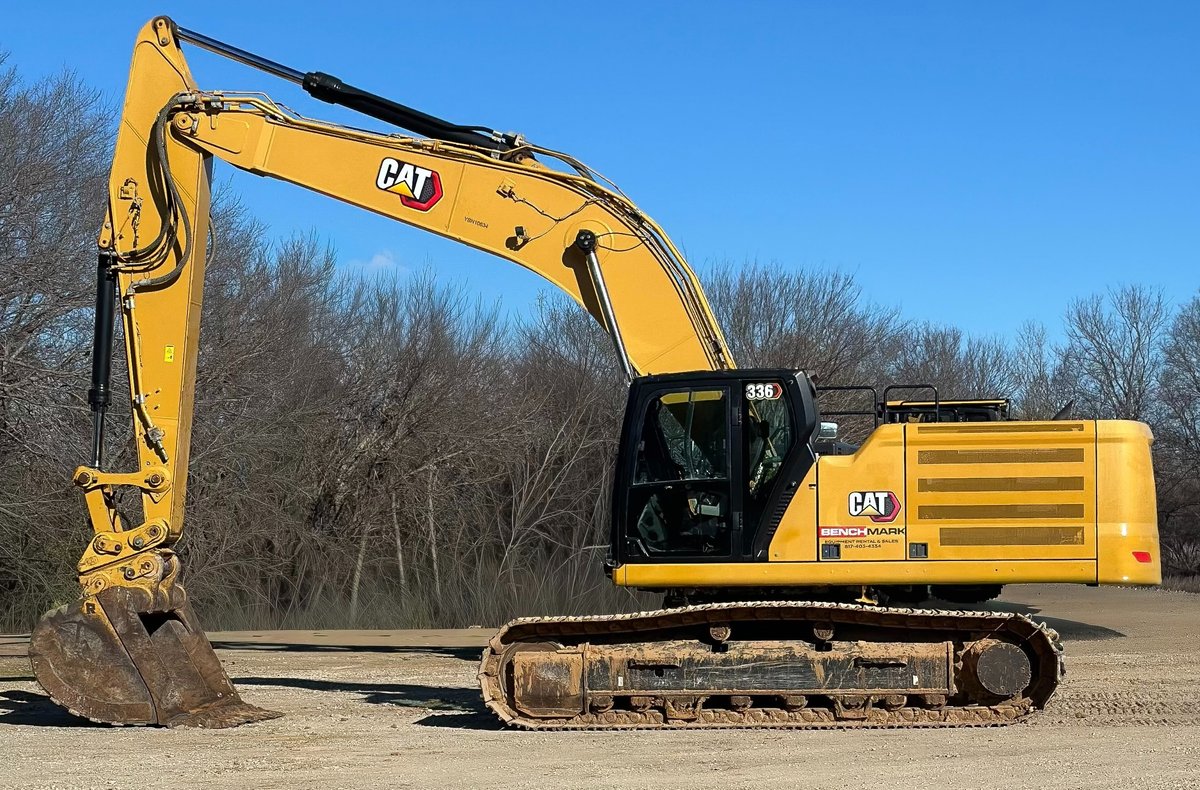
North Texas doesn't just get hot — it gets equipment-killing hot. When air temperatures hit 105°F on a job site in Fort Worth or Denton, the surface temperature on exposed steel can exceed 150°F, and engine compartment temps climb past 230°F. We see more equipment issues between June and September than the rest of the year combined, and most of them are preventable. After years of running a CAT rental fleet through North Texas summers, we've learned exactly what it takes to keep machines running when the heat index pushes past dangerous thresholds.
Key Takeaways
- North Texas ambient temperatures regularly exceed 100°F from June through September, pushing engine compartment temps past 230°F
- Coolant system maintenance is the single most important factor — a 50/50 mix provides boiling protection to 265°F
- Hydraulic oil viscosity drops 30-40% at extreme temperatures, reducing system efficiency and increasing component wear
- Scheduling high-load operations before 10 AM and after 4 PM can improve fuel efficiency by 8-12% during peak summer
- Operator heat safety is just as critical — OSHA reports heat-related illness causes more construction fatalities than any other weather event
How Hot Does Heavy Equipment Actually Get in North Texas Summers?
The numbers are eye-opening. When ambient air temperature hits 100°F — which happens roughly 20-30 days per year in the DFW Metroplex according to National Weather Service Fort Worth data — engine coolant operating temperature on a CAT 320 excavator runs between 200-215°F under normal load. Push that machine into continuous trenching in heavy clay near McKinney or Prosper, and coolant temps can spike to 225-235°F. The danger zone starts at 230°F, where thermal expansion causes gasket stress and cooling system pressure exceeds safe operating limits.
Hydraulic systems take an even harder hit. Hydraulic oil operating temperature should stay below 180°F for optimal viscosity and component life. In North Texas summer conditions, we regularly see hydraulic temps climbing to 200-210°F on machines working continuous duty cycles. At those temperatures, oil viscosity drops 30-40% compared to ideal operating range, which means reduced lifting force, slower cycle times, and accelerated wear on pumps, valves, and cylinders.
What Coolant System Maintenance Prevents Overheating?
Coolant system failures cause more summer shutdowns than any other single issue in our fleet experience. The fix starts with proper coolant concentration. Caterpillar specifies a 50/50 mix of Extended Life Coolant (ELC) and clean water, which provides boiling point protection to approximately 265°F and freeze protection to -34°F. We test coolant on every machine before summer delivery using a refractometer — not the cheap floating-ball testers that give unreliable readings.
Beyond concentration, coolant system capacity matters. A CAT 336 excavator holds approximately 14 gallons of coolant. If that system is 2 gallons low — which happens more often than you'd think — the reduced thermal mass means faster temperature spikes during high-demand operations. We top off every machine before delivery and recommend operators check coolant level during their daily pre-start walk-around, especially in summer months.
Radiator and cooler core cleaning is the other critical maintenance item. North Texas job sites generate enormous amounts of dust, especially when working in the dry black gumbo clay around Denton, Argyle, and Aubrey. That dust packs into radiator fins and oil cooler cores, creating an insulating layer that chokes airflow. On dusty sites, we recommend blowing out radiator screens with compressed air every 4 hours of operation — not at the end of the day, but during operational breaks.
How Should Operators Adjust Work Patterns for Extreme Heat?
Smart scheduling is free and it works. The temperature difference between 7 AM and 2 PM on a July day in North Texas can be 20-25°F. Running your highest-demand operations — deep trenching, mass excavation, heavy loading — during early morning hours takes advantage of cooler ambient temperatures that keep engine and hydraulic systems 15-20°F below afternoon peaks. Our customers who shift to a 6 AM start during summer months report 8-12% better fuel efficiency because their engines aren't fighting heat-related power derating.
During peak heat hours (typically noon to 4 PM), focus on lighter-duty operations: finish grading, material sorting, or equipment repositioning. If continuous operation is unavoidable, build in 10-15 minute cool-down intervals every 2 hours. Let the machine idle for 3-5 minutes with the engine at low RPM before shutting down — this allows even heat dissipation and prevents thermal shock to turbocharger bearings.
What Hydraulic System Precautions Should You Take in Hot Weather?
Hydraulic oil is the lifeblood of every excavator, loader, and dozer on your site, and heat is its worst enemy. When oil temperature exceeds 180°F, the chemical additives that protect against wear, oxidation, and foaming begin to break down. At 210°F, oil degradation accelerates dramatically — every 18°F increase above normal operating temperature cuts oil life in half, according to ASTM International fluid degradation standards.
Practical steps for protecting hydraulic systems in North Texas heat: First, ensure hydraulic oil level is at the full mark on every pre-operation check. Low oil means the remaining fluid works harder and heats faster. Second, inspect hydraulic oil cooler fins for damage and debris buildup — a bent fin blocks airflow just as effectively as caked dust. Third, if your machine has an adjustable fan speed (most late-model CAT equipment does), the ECM should automatically increase fan speed as temperatures rise. If you notice the cooling fan isn't ramping up, that's a sensor or controller issue that needs immediate attention.
How Does North Texas Soil Make Heat Problems Worse?
The black gumbo clay that blankets most of the DFW construction corridor creates a compounding heat problem. When dry, this clay turns to a fine, talc-like dust that penetrates every gap in engine compartment sealing. It coats radiator cores, clogs air filter elements, and infiltrates cab HVAC systems. A machine working in dry North Texas clay during August needs air filter service at 2-3x the normal interval.
The clay also affects ground conditions in ways that increase equipment workload. Dry black gumbo becomes extremely hard — almost concrete-like — which means excavators and dozers work at higher hydraulic pressures to cut and move material. Higher hydraulic pressure means more heat generation in the system. Contractors working sites in Sherman, Denison, and Van Alstyne during summer should plan for 15-20% longer cycle times compared to spring conditions when the soil has some moisture content.
What Are the Warning Signs of Equipment Overheating?
Modern CAT equipment provides excellent temperature monitoring through the operator display, but here are the progressive warning signs every operator should recognize:
Stage 1 — Elevated temps (200-215°F coolant): Normal operating range in summer. Monitor but no action required beyond standard precautions.
Stage 2 — High temps (215-225°F coolant): Reduce engine load, increase idle time between cycles, check for restricted airflow at radiator. If temps don't drop within 10 minutes at reduced load, shut down and investigate.
Stage 3 — Critical temps (225°F+ coolant): Reduce to low idle immediately. Do NOT shut down abruptly — let the engine idle for 5 minutes to allow gradual cooling. Abrupt shutdown at critical temperatures can cause coolant boiling, steam pockets, and potential head gasket damage. Call your rental provider (that's us at (817) 403-4334) for a field service evaluation.
How Do You Protect Operators from Heat-Related Illness?
Equipment overheating gets the attention, but operator overheating is the real safety concern. OSHA reports that heat-related illness causes more construction worker fatalities than any other weather-related event, and North Texas is squarely in the highest-risk zone. Late-model CAT equipment with functioning cab HVAC systems keeps operators in a controlled environment, which is one of several reasons we maintain our fleet with working air conditioning as a non-negotiable standard.
For operators who spend time outside the cab — during walk-arounds, attachment changes, or working with ground crews — the NIOSH heat stress guidelines recommend a work/rest schedule of 45 minutes work to 15 minutes rest when the heat index exceeds 103°F. Keep water on every machine. Mandate breaks. No project deadline is worth a heat casualty.
Plan Ahead for North Texas Summer Operations
Summer is coming, and so is the heat. The contractors who thrive during North Texas summers are the ones who prepare: they service cooling systems before June, they adjust work schedules, and they partner with a rental company that delivers equipment specifically prepped for extreme heat operation. At Benchmark Equipment, every machine that goes out during summer months gets a heat-readiness inspection — coolant tested, cooler cores cleaned, hydraulic oil levels verified, and cab A/C confirmed operational. Call us at (817) 403-4334 to discuss your summer equipment needs and get ahead of the heat.