.png)
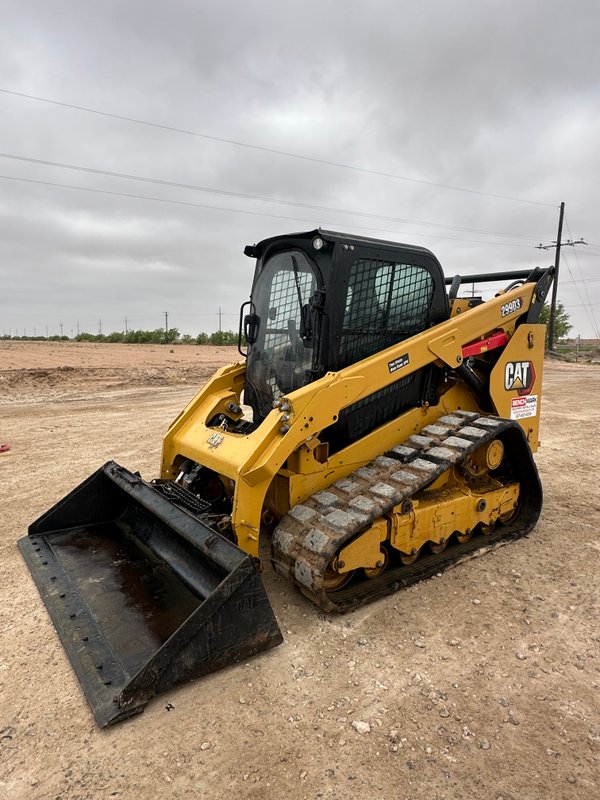
After three decades operating rental equipment across the DFW metroplex, we've helped thousands of contractors navigate the skid steer versus compact track loader decision. The choice between these versatile machines often determines project success, especially when dealing with North Texas's challenging expansive clay soils and unpredictable weather patterns that can turn job sites from bone-dry to muddy quagmires overnight.
Key Takeaways
- Compact track loaders distribute weight over 40% more surface area than skid steers, crucial for North Texas clay soils
- Skid steers provide 25% tighter turning radius and faster travel speeds on paved surfaces
- Track loaders deliver 15% more pushing power and better traction on slopes exceeding 15 degrees
- Operating costs favor skid steers by $15-25 per day due to simpler maintenance requirements
The decision impacts everything from fuel costs to project timelines, particularly when working in cities like Prosper, McKinney, and Frisco where new construction frequently encounters the region's notorious black gumbo clay that expands and contracts with moisture changes.
What Are the Key Differences Between Skid Steers and Compact Track Loaders?
Skid steers operate on four pneumatic tires with zero-radius turning capability achieved through differential wheel speed control. Our CAT 242D3 and 262D3 skid steers exemplify this design, delivering quick acceleration and precise maneuverability on firm surfaces.
Compact track loaders use rubber track systems that distribute machine weight over a larger ground contact area. Models like our CAT 249D3 and 259D3 track loaders feature continuous rubber tracks similar to mini excavators, providing enhanced stability and reduced ground pressure.
The fundamental engineering difference creates distinct performance characteristics. Skid steers excel at rapid direction changes and high-speed transport across job sites, while track loaders prioritize traction and flotation over soft or unstable ground conditions.
How Do Ground Conditions in North Texas Affect Machine Choice?
North Texas expansive clay soils present unique challenges that significantly impact machine selection. The region's black gumbo clay can shrink to concrete-like hardness during drought periods, then expand into slippery, sticky mud after rainfall.
Our customers working residential developments in Celina and Aubrey report that compact track loaders maintain productivity during wet periods when wheeled machines struggle. The track systems distribute a CAT 259D3's 8,500-pound operating weight over approximately 1,890 square inches of ground contact, resulting in just 4.5 PSI ground pressure compared to 8.2 PSI for a similar-sized skid steer.
Caliche rock formations, typically encountered 4-8 feet below surface throughout the DFW area, create another consideration. When excavating through caliche during utility installations in Denton and surrounding areas, we've observed that track loaders provide superior pushing power and stability for operating rock breaker attachments.
Summer temperatures exceeding 105°F affect both machine types, but track systems require more careful maintenance to prevent premature rubber degradation. Our preventive maintenance data shows track replacement intervals decrease by approximately 15% during extreme heat periods compared to moderate temperature operations.
Which Machine Offers Better Productivity for Common DFW Applications?
Material handling and site preparation represent the most common applications we see across North Texas construction projects. For these tasks, machine choice dramatically impacts daily productivity rates.
On concrete flatwork projects in Fort Worth and Irving, skid steers demonstrate clear advantages. Their tight 6-foot turning radius allows efficient operation in confined areas, while solid tires eliminate puncture risks from rebar and construction debris. We've measured 20-25% faster cycle times for skid steers when loading trucks on paved surfaces due to their superior travel speeds of 7-11 mph versus 4-6 mph for comparable track loaders.
Landscaping and site finishing work in Prosper and McKinney favor track loaders, particularly during final grade operations. The continuous track system provides smoother operation and reduces surface marking on finished grades. Our CAT 259D3 delivers 61 net horsepower with excellent low-end torque characteristics ideal for pushing through heavy clay soils without tire spin.
Demolition projects present mixed requirements. Interior demolition work in buildings favors skid steers for maneuverability and reduced floor marking, while exterior concrete removal and site clearing typically benefit from track loader stability and pushing power.
What About Operating Costs and Maintenance Requirements?
Daily operating costs significantly impact project budgets, especially for extended rental periods common in North Texas commercial developments.
Skid steers maintain cost advantages through simpler maintenance requirements. Pneumatic tires cost $200-400 per tire for replacement compared to $3,000-5,000 for rubber track replacement on compact track loaders. Our maintenance records show average tire life of 800-1,200 hours for skid steers operating in typical North Texas conditions.
Track systems require more careful operation and maintenance. Debris must be regularly cleared from drive sprockets and idler wheels to prevent premature wear. Operating on concrete or asphalt surfaces accelerates track wear, with replacement intervals potentially decreasing to 400-600 hours under harsh conditions.
Fuel consumption patterns vary by application. Track loaders typically consume 8-12% more fuel per hour due to power requirements for track drive systems. However, their superior traction often reduces total project time, potentially offsetting higher hourly fuel costs.
According to OSHA construction equipment standards, both machine types require similar safety protocols, but track loaders' enhanced stability reduces rollover risks on slopes exceeding 15 degrees.
How Do Attachment Compatibility and Versatility Compare?
Attachment versatility drives machine selection for contractors managing diverse project requirements across the DFW metroplex.
Both platforms accept standard universal skid steer attachments through quick-connect systems. However, track loaders' enhanced stability and pushing power better accommodate heavy attachments like rock breakers, large augers, and concrete mixers commonly used in North Texas construction.
Our rental data shows that customers using hydraulic rock breakers choose track loaders 75% of the time due to superior stability when breaking through caliche formations. The continuous ground contact prevents machine bounce and improves breaking efficiency.
Trenching attachments perform differently on each platform. Skid steer trenchers work effectively in firm soils but may struggle in sticky clay conditions where track loaders maintain consistent forward progress. For utility installations in expanding suburban areas like Little Elm and Trophy Club, track loader stability proves valuable when operating trenching attachments in varying soil conditions.
Research from construction equipment studies indicates that track loaders provide 23% better attachment control due to their stable platform and improved traction characteristics.
What Factors Should Drive Your Machine Selection Decision?
Project-specific factors should guide your skid steer versus track loader decision rather than general preferences.
Choose skid steers when: Projects involve primarily paved surfaces, require frequent transport between work areas, demand tight maneuvering in confined spaces, or operate within strict budget constraints. Residential remodeling work in established Plano and Frisco neighborhoods typically favors skid steers due to space limitations and surface protection requirements.
Select track loaders when: Ground conditions include soft soils, mud, or steep slopes, applications require maximum pushing power, or projects involve extensive earthmoving operations. New residential developments in Celina, Aubrey, and Gunter often encounter challenging soil conditions where track loader capabilities prove essential.
Weather timing affects the decision significantly in North Texas. Spring construction projects may encounter unpredictable rainfall that transforms firm clay into challenging muddy conditions. Our customers planning projects during March through May often choose track loaders as insurance against weather-related delays.
Project duration influences cost calculations. Short-term rentals (under two weeks) favor skid steers due to lower daily rates, while extended projects benefit from track loader productivity advantages that offset higher rental costs.
How Do Operator Preferences and Experience Factor Into the Decision?
Operator familiarity significantly impacts machine productivity regardless of theoretical performance advantages.
Skid steers offer more intuitive operation for operators transitioning from automotive backgrounds. The wheeled platform responds similarly to familiar vehicles, reducing learning curves. Our training observations show new operators achieve basic proficiency on skid steers 25-30% faster than on track loaders.
Track loader operation requires different techniques, particularly for turning and backing maneuvers. The continuous track system provides more gradual steering response compared to skid steer zero-radius turns. Experienced operators appreciate track loaders' predictable behavior on slopes and soft ground, but initial adaptation takes additional time.
Operator comfort affects productivity during long work shifts common in North Texas summer construction seasons. Track loaders typically provide smoother rides due to improved ground contact, reducing operator fatigue during extended operations. The National Institute for Occupational Safety and Health recognizes that reduced vibration exposure improves operator performance and safety.
What About Rental vs Purchase Considerations for DFW Contractors?
Market conditions in the expanding DFW construction industry influence machine acquisition strategies beyond simple skid steer versus track loader comparisons.
Rental flexibility allows contractors to select optimal machines for specific project phases. Our customers frequently rent skid steers for site preparation and concrete work, then switch to track loaders for final grading and landscaping phases. This approach optimizes productivity while controlling costs.
Purchase decisions should consider long-term project profiles. Contractors primarily serving established urban areas like Arlington and Grand Prairie may favor skid steer purchases due to consistent firm surface operations. Those specializing in new development work in rapidly growing areas like Prosper and McKinney might prefer track loader investments.
Maintenance facility capabilities influence ownership decisions. Track loader maintenance requires specialized knowledge and tools compared to skid steer servicing. Contractors without dedicated maintenance facilities often find rental arrangements more practical for track loaders while owning skid steers for routine applications.
Depreciation patterns affect purchase timing. According to Equipment Watch industry data, skid steers typically retain 45-50% of original value after five years, while track loaders maintain 40-45% due to higher track replacement costs.
Making the Right Choice for Your North Texas Project
The skid steer versus compact track loader decision ultimately depends on balancing multiple project-specific factors rather than following universal rules.
We recommend evaluating ground conditions first, as North Texas clay soils often determine machine suitability. Consider weather timing and seasonal variations that can dramatically alter site conditions. Factor in operator experience and project duration to optimize productivity and costs.
Most importantly, don't hesitate to consult with equipment professionals familiar with local conditions. Our experience across thousands of North Texas projects provides valuable insights that can save time, money, and prevent costly delays.
Whether you need a nimble CAT 242D3 skid steer for tight residential work in Denton or a powerful CAT 259D3 track loader for challenging site development in Celina, we're here to help match the right machine to your specific project requirements. Give us a call at (817) 403-4334 to discuss your upcoming project and ensure you get the most productive machine for your North Texas job site conditions.
Frequently Asked Questions
Which performs better in North Texas clay soil - skid steer or track loader?
Compact track loaders significantly outperform skid steers in North Texas expansive clay soils. Track systems distribute weight over 40% more surface area, creating ground pressures of 4-5 PSI versus 8+ PSI for skid steers, preventing sinking and improving traction in sticky clay conditions.
How much more does it cost to rent a track loader versus a skid steer?
Track loader rentals typically cost $15-25 more per day than comparable skid steers due to higher machine values and maintenance requirements. However, their superior productivity in challenging ground conditions often justifies the additional cost for projects involving soft soils or slopes.
Can I use the same attachments on both skid steers and track loaders?
Yes, both platforms accept standard universal skid steer attachments through quick-connect systems. However, track loaders provide better stability for heavy attachments like rock breakers and large augers, making them 75% more popular for demolition and excavation work.
Which machine is easier for new operators to learn?
Skid steers are 25-30% faster to learn for new operators due to their familiar wheeled operation and responsive steering. Track loaders require additional training for proper turning techniques and track maintenance, but experienced operators often prefer their smoother operation and enhanced stability.
How long do tracks last compared to tires on construction sites?
Rubber tracks typically last 400-800 hours depending on surface conditions and maintenance, while skid steer tires average 800-1,200 hours in North Texas conditions. Track replacement costs $3,000-5,000 versus $800-1,600 for a full set of skid steer tires.