.png)
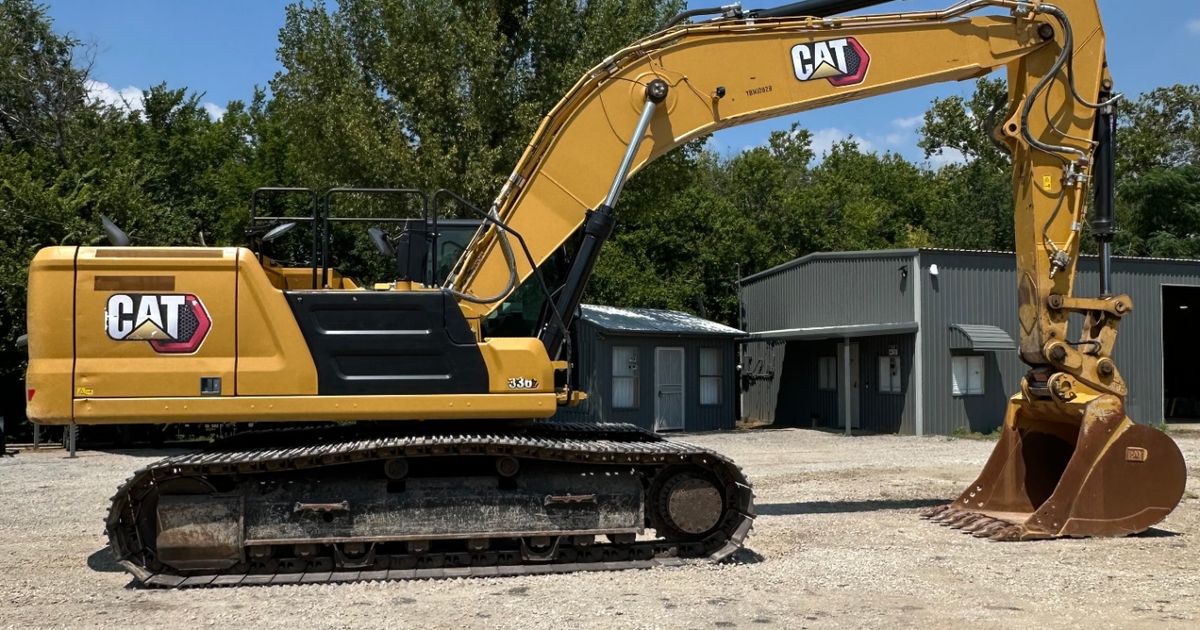
Nothing kills a job site schedule faster than a machine that won't start at 6:30 in the morning. We hear it from contractors across Denton, Prosper, McKinney, and Fort Worth every season—a project is humming along, and then a piece of equipment goes down because of something that could have been caught in a five-minute pre-shift check. Lost productivity, rescheduled crews, delayed subcontractors—the ripple effect of equipment downtime is almost always more expensive than the maintenance habit that would have prevented it.
We've been running rental equipment through North Texas job sites long enough to know exactly where the failure points are. This guide covers the practical maintenance habits that keep our customers' projects moving, whether they're clearing lots in Celina, trenching utilities in Sherman, or grading a commercial pad in Weatherford.
Key Takeaways
- Daily pre-shift inspections take less than 15 minutes but prevent the majority of mid-job equipment failures on North Texas construction sites.
- Hydraulic fluid contamination is the leading cause of rental equipment damage—always check fluid levels and condition before operating in dusty or abrasive caliche environments.
- CAT equipment operating in 100°F+ North Texas summer heat should have coolant and hydraulic temps monitored every 2 hours to prevent thermal shutdowns.
- Operators who report minor issues at equipment return save an average of $800–$2,400 in compounding repair costs compared to unreported damage that worsens over time.
- Matching the right machine to your soil type—especially DFW black gumbo clay—prevents drivetrain overloading, one of the top causes of avoidable rental equipment damage.
What Should Operators Check Before Starting Rental Equipment Each Day?
A proper pre-shift inspection on CAT equipment—whether it's a 320 excavator, a 299D3 compact track loader, or a 140 motor grader—follows the walkaround sequence outlined in the machine's Operation and Maintenance Manual, and it genuinely takes less than 15 minutes when you make it a habit. Start at the engine compartment: check engine oil level, coolant level in the overflow reservoir, and hydraulic fluid level on the sight gauge. Look for any fluid that's milky (water contamination), darker than normal, or has a burnt smell. Those aren't just cosmetic issues—they're indicators of a system already under stress.
Work your way around the machine checking for visible fluid leaks under the belly pan and around hose connections. On track machines like the CAT 259D3 or 299D3, check track tension and look for debris packed into the undercarriage—North Texas red clay and caliche gravel are notorious for packing into track rollers and accelerating wear faster than most operators expect. Check the bucket or attachment pins for looseness and inspect cutting edges for unusual wear. On wheeled machines, a quick look at tire pressure and lug nut condition takes 90 seconds and prevents a blowout in the middle of a grading run.
According to OSHA Standard 1926.21, employers are required to instruct employees in the recognition and avoidance of unsafe conditions—and pre-operation inspections are a foundational element of that standard on construction sites. Beyond compliance, they're just good business. Our customers who build this 15-minute ritual into their crew's morning routine have measurably fewer mid-day breakdowns.
How Does North Texas Soil Affect Equipment Performance and Maintenance Needs?
The black expansive clay soils—what old-timers call black gumbo—that dominate the DFW corridor from Denton down through Frisco, Prosper, and into Waco are some of the most mechanically demanding soils in the country for construction equipment. These soils have a shrink-swell coefficient that can shift dramatically with moisture content, which means a track loader that's riding on firm ground in the morning may be fighting through sticky, adhesive mud by afternoon after irrigation runoff or a quick storm moves through. That constant traction demand drives hydraulic system pressure up, increases heat generation, and puts sustained stress on final drives and track components.
When our customers are working through caliche rock formations—which typically present at 4 to 8 feet of depth across much of the DFW area—the impact load on bucket teeth, cutting edges, and boom cylinders increases substantially. We consistently advise operators running CAT 320 or 323 excavators through caliche to drop their swing speed during trenching and to inspect bucket tooth shank welds after every 10-hour shift. Caliche has an unconfined compressive strength that can reach 1,200 to 2,000 psi in dense formations, which is hard enough to crack a worn bucket tooth shank in a single shift if the operator is pushing machine limits.
The USDA Natural Resources Conservation Service documents the Vertisol soil classifications common to North Texas, and understanding that these soils behave fundamentally differently than sandy or loam soils in Oklahoma or West Texas is critical for proper machine selection and load management. We talk through soil conditions with every customer before a rental goes out—it directly affects which machine and which attachment package makes sense for the job.
What Causes the Most Common Rental Equipment Failures in Hot Weather?
Thermal overload is the number one preventable failure mode we see during North Texas summers, and it's entirely avoidable with proper monitoring habits. When ambient temperatures run 100°F to 108°F—which is a normal working week in July and August across Denton, Irving, Mansfield, and Crowley—hydraulic oil temperatures on a working machine can reach 180°F to 200°F under heavy continuous load. Most CAT systems have a high-temp warning light, but by the time that warning activates, the hydraulic oil has already begun to degrade. The practical rule we give operators: check your hydraulic temperature gauge every two hours during summer operations and give the machine a 10-minute low-idle cool-down cycle if temps are running above 170°F.
Engine coolant system neglect is a close second. Radiator cores packed with cottonwood seeds, job site dust, and construction debris are extremely common in May through September across North Texas. A clogged radiator core can raise coolant temps by 20 to 30 degrees within a single shift, pushing the engine into thermal protection mode—which means a partial power derate or a full shutdown. Blowing out the radiator core with compressed air is a five-minute task that prevents a two-hour shutdown. We recommend doing it at every refueling stop during peak summer months.
Research published through SAE International confirms that hydraulic fluid viscosity degrades exponentially above 180°F, with oxidation rates nearly doubling for every 18°F increase above normal operating temperature. For rental customers in North Texas, that data point has a direct dollar value: protecting fluid temperatures protects the pump, the cylinders, and the control valves—the most expensive components in a hydraulic circuit.
How Should Rental Customers Handle Equipment That Shows Warning Lights or Unusual Behavior?
Stop the machine and call us. That's the honest, non-negotiable answer, and it protects everyone involved. CAT CDAC (Caterpillar Diagnostic and Alert Center) systems on modern equipment like the 320 GC, 315 GC, and D6 XE dozer use a tiered warning system—white, yellow, and red indicators—that communicate urgency. A yellow action light means the machine needs attention soon, but can often finish the current cycle. A red action light means stop immediately; continuing operation risks catastrophic component failure. We walk every customer through the warning indicator system before a rental goes out because misreading a red alert as a yellow has cost operators pump assemblies worth $8,000 or more.
Unusual behavior—sluggish hydraulic response, abnormal engine sound, excessive exhaust smoke, or unexpected vibration in the undercarriage—should be treated the same way. These are the machine telling the operator that something changed. Document what you observed: what you were doing when it started, how long it's been happening, and whether any lights came on. That information helps our service technicians diagnose the issue accurately and quickly, often over the phone before anyone drives a service truck to your site in Gunter, Van Alstyne, or Decatur.
Never attempt to reset fault codes by disconnecting machine batteries without first logging the code. CAT ET diagnostic software reads active and historical fault codes that give technicians the full picture—clearing them without documentation erases information that might be critical to finding the root cause. If you're on a site and see a code, take a photo of the dash display before doing anything else.
What Maintenance Responsibilities Do Rental Customers Typically Have?
Rental agreements are specific, and ours are no different—but the baseline responsibilities that apply to virtually every equipment rental follow a consistent pattern. Customers are responsible for daily fluid top-offs between service intervals, keeping air intake pre-cleaners free of debris, maintaining proper tire pressure or track tension, and ensuring the machine is operated within its rated capacity. What customers are generally not responsible for is scheduled oil changes and filter services—those happen on our end based on machine hours and our preventive maintenance schedule.
The area where we see the most gray zone is damage that results from operator misuse versus normal wear. Using a CAT 259D3 compact track loader to push material that exceeds its rated operating capacity—which is 1,650 lbs for the standard configuration—can crack the lift arm welds or damage the hydraulic cylinders in ways that aren't covered under normal rental terms. Similarly, operating an excavator to self-load trucks by swinging over the cab puts side loads on the boom that aren't within design parameters. The Equipment World Equipment Management resources and Associated General Contractors of America both emphasize operator training as the single most effective risk management tool for rental equipment—and we agree completely.
One practical tip that saves money for everyone: when you return equipment, tell us what you noticed. If a track was running a little loose by day three, or the AC wasn't keeping up with the North Texas heat, or you noticed a small hydraulic weep at a fitting—tell us. That information helps us service the machine correctly before the next customer picks it up, and it protects you from being associated with damage that develops after your rental period ends.
Are There Special Maintenance Considerations for Cold Weather or Freeze Events in North Texas?
North Texas doesn't get extreme cold often, but when it does—think Winter Storm Uri in 2021 that hammered the Dallas-Fort Worth corridor—the maintenance demands shift dramatically and catch a lot of operators unprepared. Diesel engines in CAT equipment are spec'd with arctic-grade options, but our standard fleet maintains coolant protection to approximately -34°F and uses hydraulic fluid rated for cold weather start-up. The bigger risks during freeze events are water intrusion into fuel tanks causing fuel gelling, and ground conditions that change from workable to frozen solid overnight.
When temperatures are forecast below 20°F, we recommend customers let machines idle for a full 5-minute warm-up before engaging hydraulic functions. Cold hydraulic oil is significantly more viscous, and forcing cylinder movements on a cold system can aerate the fluid and damage pump seals. In the Aubrey, Trophy Club, and Bowie areas where ground freezes can go 4 to 6 inches deep in a hard cold snap, track machines should be parked on gravel or mat boards when possible—frozen clay can lock an undercarriage to the ground overnight with enough force to damage final drive seals when the machine tries to move in the morning.
If you're renting equipment during a forecasted freeze event, call us at (817) 403-4334 before the weather hits. We can walk you through cold-weather prep specific to the machine you have on rent and help you avoid the hydraulic and fuel system problems that spike service calls every time North Texas gets an ice event.
How Do You Keep Equipment Running Well on Long-Duration Rental Projects?
Projects that stretch 30, 60, or 90 days have a different maintenance dynamic than a one-week job. On longer rentals, we schedule periodic service visits based on machine hours—typically at 250-hour intervals for full service on most CAT construction equipment. The customer's job is to track hours and communicate with us when the machine is approaching a service interval, particularly if the work has been unusually demanding. Heavy caliche digging in Celina or deep utility trenching in Gainesville puts more wear on a machine per hour than light grading work, and we take that into account when scheduling service visits.
For long-duration rentals, we also recommend customers designate a single point of contact on their crew who owns the daily inspection log. When four different operators run a machine in a week and nobody owns the inspection, small issues go unreported until they become expensive problems. A simple paper log or even a shared notes file on a phone accomplishes this—date, operator, hours, anything observed. That documentation protects the customer if there's ever a question about when a condition developed, and it gives our technicians better context when we come out for a service visit.
For any project in the Denton area or across our North Texas service area—from Wichita Falls down to Waco, from Sherman and Denison west to Weatherford and Bowie—our team is available to help you build a maintenance rhythm that keeps your rental running and your project on schedule. Reach out to us at (817) 403-4334 or stop by our location in Denton to talk through what your job site demands.
Frequently Asked Questions
What daily maintenance checks should I do on rental equipment?
Before each shift, check engine oil, coolant, and hydraulic fluid levels; inspect for visible leaks under the machine; verify track tension or tire pressure; and look over bucket teeth and attachment pins for wear or looseness. This full walkaround takes less than 15 minutes and is the single most effective way to prevent mid-day breakdowns. On CAT equipment, the Operation and Maintenance Manual outlines the specific pre-operation sequence for each model.
Who is responsible for maintenance on rental equipment—the rental company or the customer?
Responsibility is split: rental customers are generally responsible for daily fluid top-offs, keeping air intakes clean, maintaining proper tire or track tension, and operating the machine within rated capacity. The rental company handles scheduled oil changes, filter services, and major repairs. Damage caused by operator overloading or misuse typically falls to the customer under most rental agreements, which is why operator training and load management matter.
How does extreme heat affect construction equipment performance?
In 100°F+ temperatures, hydraulic oil temperatures can reach 180–200°F under continuous heavy load, which accelerates fluid degradation and can damage pumps and control valves. SAE research shows hydraulic fluid oxidation rates nearly double for every 18°F increase above normal operating temperature. Operators should check hydraulic temperature gauges every two hours during summer and allow a 10-minute low-idle cool-down if temps exceed 170°F. Clogged radiator cores from dust and debris are also a leading cause of engine thermal shutdowns in hot weather.
What should I do if a warning light comes on while operating rental equipment?
A yellow warning light means the machine needs attention soon but can typically finish its current work cycle; a red warning light means stop immediately to avoid catastrophic component damage. Before doing anything else, photograph the dashboard display to document the fault code—clearing codes by disconnecting the battery erases diagnostic information technicians need for accurate repair. Call your rental company right away with the code, a description of what you were doing when the light appeared, and how long the condition has been present.
How do North Texas soil conditions like clay and caliche affect equipment maintenance?
Expansive black gumbo clay soils common throughout the DFW corridor create high traction demand that elevates hydraulic system temperatures and stresses final drives and track components. Caliche rock, which typically appears at 4–8 feet deep across the DFW area, can have compressive strength of 1,200–2,000 psi—hard enough to crack worn bucket tooth shanks in a single shift. Operators working in these conditions should inspect bucket teeth and cutting edges after every 10-hour shift, monitor hydraulic temperatures closely, and clear clay and caliche debris from undercarriages daily to prevent accelerated track wear.