.png)
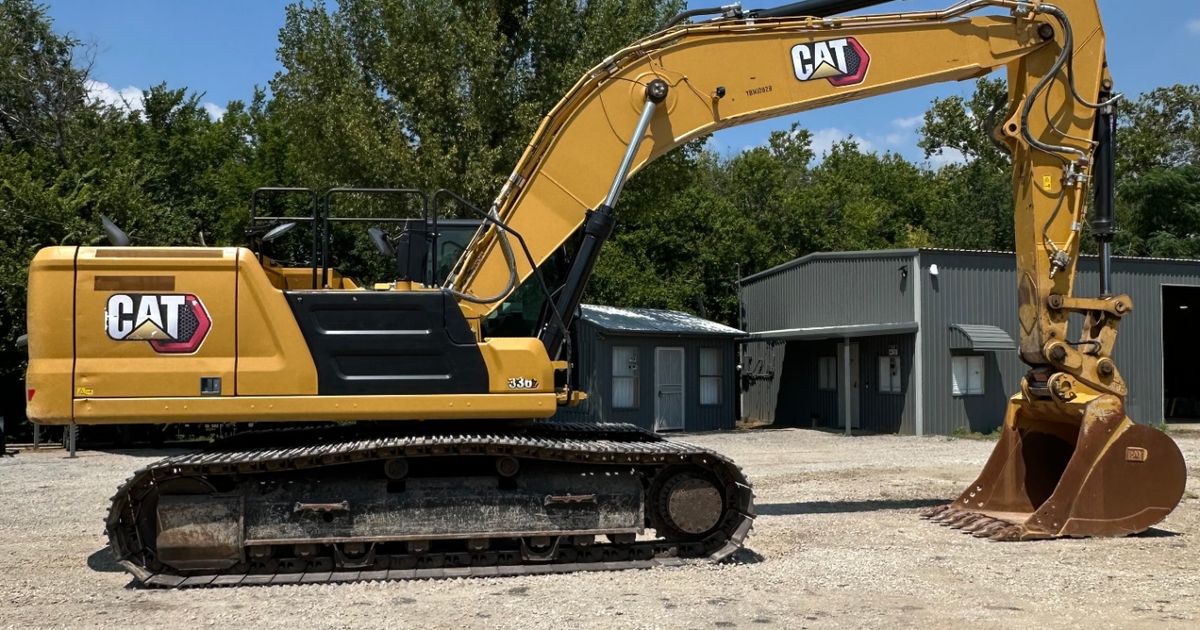
We've gotten calls from contractors who rented equipment elsewhere and showed up to a job site in Prosper or Celina on a Monday morning with a machine that wouldn't start, a hydraulic line weeping fluid, or a backup alarm that didn't work. Those calls are frustrating for everyone—but they're almost entirely preventable. The difference between a machine that performs all week and one that sidelines your crew on day one usually comes down to what happened in the yard before it was loaded on the trailer.
At Benchmark Equipment in Denton, TX, every machine goes through a documented pre-rental inspection before it leaves our facility. This isn't a walk-around with a flashlight—it's a structured process that touches every major system on the machine. Here's exactly what we check, why each step matters, and what it means for your operation when that equipment hits your job site.
Key Takeaways
- Every machine in our fleet is inspected within 24 hours of scheduled delivery using a documented checklist that mirrors CAT's factory service protocols
- Hydraulic system integrity checks are the single most critical inspection step for North Texas job sites, where summer heat above 100°F accelerates fluid breakdown and seal wear
- Undercarriage inspection on tracked equipment like CAT 308 and CAT 320 excavators determines up to 50% of the machine's remaining service life
- Safety system verification—including backup alarms, ROPS certification, and blade/bucket lockout pins—is non-negotiable before any machine leaves our Denton yard
- Customers who review the inspection report with our delivery driver spend an average of 30% less time dealing with mid-rental mechanical issues
Why Does a Pre-Rental Inspection Matter More Than the Machine's Age?
A three-year-old machine that's been serviced consistently will outperform a one-year-old machine that's been pushed hard and inspected carelessly every single time. Our rental fleet includes CAT 299D3 compact track loaders, CAT 308 mini excavators, CAT 320 full-size excavators, and CAT 420 backhoe loaders—machines that see a lot of cycles across a lot of different job sites. Each one has unique wear patterns based on how the previous renter used it.
According to OSHA's construction safety standards, equipment operators are required to perform pre-shift inspections, but the responsibility for fleet-level mechanical integrity sits squarely with the equipment provider. We take that seriously. The Equipment Watch industry data consistently shows that deferred maintenance and skipped inspections are the leading causes of mid-rental breakdowns—and in our experience, that tracks exactly with what we see coming back from busy job sites in Frisco, McKinney, and Waco.
What Fluid Systems Do We Check on Every Machine Before Delivery?
Fluid checks are the foundation of any pre-rental inspection, and we don't just verify levels—we check condition, color, and contamination. Engine oil that looks like coffee with milk is telling you there's coolant intrusion. Hydraulic fluid that smells burnt has been overheated. These are things you can't catch from a dipstick reading alone.
On every machine, we check engine oil level and condition, coolant level and freeze protection rating, hydraulic fluid level and color, fuel level and tank condition for water contamination, and DEF (diesel exhaust fluid) on Tier 4 Final machines like the CAT 320 and CAT D6. We also verify that fuel filters and hydraulic filters are within their service interval—not just that there's fluid in the system.
North Texas summers create a specific challenge here. When ambient temperatures push past 100°F in July and August across the DFW metroplex, hydraulic fluid viscosity breaks down faster than the manufacturer's standard service intervals account for. A machine that ran fine in April can develop seeping cylinder seals by August if the fluid hasn't been addressed. We adjust our hydraulic fluid service intervals accordingly during summer months—typically shortening the interval by 15-20% on machines that are renting frequently to high-heat job sites in Irving, Fort Worth, and the surrounding area.
How Do We Inspect Hydraulic Systems Beyond Just Fluid Level?
Hydraulic integrity is where we spend the most time, and for good reason. A hydraulic failure in the field doesn't just slow your crew down—it can create a safety hazard if a cylinder bleeds down while a load is suspended. Our hydraulic inspection covers every component from the reservoir to the cylinders.
We physically inspect every external hydraulic line and fitting for cracking, abrasion, or seeping connections. On excavators, we check all boom, arm, and bucket cylinder seals under load—meaning we actually operate the machine through full range of motion and watch for drift. A cylinder that holds its position under load for 60 seconds passes; one that drifts more than an inch gets pulled from the rotation and serviced before it delivers. We also check hydraulic quick couplers on machines equipped with auxiliary hydraulics for thumb attachments or hydraulic hammers, since those couplers take significant abuse and can leak under pressure even when they look fine visually.
The International Fluid Power Society estimates that hydraulic system failures account for roughly 40% of all heavy equipment downtime. In our rental fleet, proactive hydraulic inspection has kept that number significantly lower—but it requires actually putting eyes and hands on every connection, not just checking fluid levels.
What Does Undercarriage Inspection Tell Us About a Tracked Machine's Condition?
For any tracked machine—a CAT 308 CR mini excavator, a CAT 299D3 compact track loader, or a larger CAT 320—the undercarriage inspection is the single best indicator of overall machine health. CAT's own service documentation states that undercarriage components represent up to 50% of a tracked machine's maintenance costs over its lifetime. We inspect track tension, link wear, sprocket tooth profile, idler condition, and roller wear on every tracked unit before delivery.
Track tension is particularly critical in North Texas soil conditions. Expansive black gumbo clay—the kind you find in abundance across Denton County, Collin County, and much of the Metroplex—packs into undercarriages and can cause tracks to derail if tension isn't set correctly for the conditions. We tension tracks tighter than the standard specification when we know a machine is heading to a clay-heavy site in Argyle, Aubrey, or Van Alstyne. Caliche formations at 4-8 feet depth, common across this region, also create significant impact loading on undercarriages when excavating, which accelerates link and sprocket wear. If a machine is coming back from a caliche job, we inspect the undercarriage more aggressively before the next rental.
How Do We Verify Safety Systems Before a Machine Leaves Our Yard?
Safety system verification isn't a courtesy—it's a legal and operational requirement. OSHA 29 CFR 1926.602 establishes specific requirements for construction equipment safety systems, and we verify compliance with every inspection. Backup alarms must be audible at 200 feet. ROPS (Roll-Over Protective Structure) integrity must be confirmed—we visually inspect for any bends, cracks, or unauthorized modifications. Seat belts must be functional and retract properly. All lights, including working lights and warning strobes, must operate.
Beyond the regulatory checklist, we check blade and bucket lockout systems, horn function, and all cab controls for proper labeling and operation. On machines with operator presence systems—a feature standard on newer CAT equipment—we verify that the system actually disables the machine when the operator leaves the seat with the controls engaged. We've seen machines come back where this system had been bypassed by a previous renter. That machine doesn't rent again until it's restored to factory spec.
We also verify that fire extinguishers are present, fully charged, and mounted correctly—something that seems obvious but gets missed more often than you'd expect.
What Happens When We Find a Problem During the Pre-Rental Inspection?
The honest answer is: the machine doesn't go. We have enough depth in our fleet to pull a machine with a legitimate issue and substitute a comparable unit for the customer's delivery. What we won't do is send out a machine with a known problem and hope it makes it through the rental period. That's bad for the customer, bad for our reputation, and in some cases creates a liability that no one wants to deal with.
Every inspection finding gets documented in our service records. When we find something—a seeping cylinder, a cracked rubber track, a hydraulic line showing abrasion wear—it goes into the machine's file with the date and the corrective action taken. This documentation matters for more than just our records; it creates a service history that tells us which machines are approaching major service intervals and which ones have recurring issues that need a deeper look.
In our experience, roughly 8-12% of machines flagged for delivery on any given week need some level of service before they're cleared. Most of those are minor—a fluid top-off, a belt adjustment, a light bulb. About 2-3% require something significant enough to require a machine swap. Customers who've been with us for a while understand that a call saying "we're swapping your 308 for a different unit because ours needs a hydraulic repair" is actually good news—it means we caught something before it cost them a day on the job site.
What Should Customers Know Before Equipment Arrives on Their Job Site?
When our delivery driver arrives at your job site in Gunter, Decatur, Wichita Falls, or wherever your project takes you across our North Texas service area, they carry a completed inspection report for the machine on the trailer. Take five minutes to walk through it with them. The report shows fluid levels at time of departure, any observations about wear components that are within spec but worth monitoring, and the machine's hour meter reading at delivery.
The Associated General Contractors of America recommends that equipment operators conduct a documented pre-shift inspection every day, and we encourage our customers to do exactly that. Our inspection gets the machine to your site in verified working condition. Your daily operator inspection keeps it that way throughout the rental period.
If something feels wrong when an operator first gets on the machine—controls feel spongy, an unusual noise on startup, anything that doesn't match how similar equipment has behaved—call us immediately. Don't run it and hope. Our service line at (817) 403-4334 connects you to someone who can troubleshoot over the phone or dispatch a technician. Catching a small issue in hour one of a rental is exponentially better than discovering a major failure at the start of day three.
The pre-rental inspection process we run at Benchmark Equipment isn't a marketing claim—it's a documented operational standard that we've built over years of running rental equipment across North Texas job sites. If you want to know the condition of a specific machine before you commit to a rental, or if you want to talk through what size and type of equipment makes sense for your upcoming project in Mansfield, Crowley, Sherman, or anywhere else in our service area, give us a call at (817) 403-4334. We'd rather spend fifteen minutes on the phone helping you make the right equipment decision than have you deal with a breakdown in the field.
Frequently Asked Questions
What does an equipment rental company check before delivering a machine?
A thorough pre-rental inspection covers fluid levels and condition (engine oil, coolant, hydraulic fluid, DEF), hydraulic system integrity including cylinder drift testing, undercarriage wear on tracked machines, all safety systems (backup alarm, ROPS, seatbelts, lights), and operator controls. At Benchmark Equipment, this process takes 45-90 minutes per machine and is documented in a written inspection report that travels with every delivery.
How often should rental equipment be inspected before use?
Rental equipment should receive a full mechanical inspection within 24 hours of each scheduled delivery, and operators should conduct a documented pre-shift inspection every day per OSHA 29 CFR 1926.602 requirements. In high-heat conditions like North Texas summers above 100°F, hydraulic fluid and cooling system checks should be performed more frequently—ideally at the start of each shift—because heat accelerates fluid breakdown and seal wear significantly faster than standard service intervals account for.
What are the most common problems found during a pre-rental equipment inspection?
The most common findings are hydraulic fluid that needs replacement or topping off, minor hydraulic line abrasion or fitting seepage, track tension that needs adjustment (particularly important in expansive clay soil conditions), and safety devices like backup alarms or lights that need repair. In our experience at Benchmark Equipment, roughly 8-12% of machines scheduled for delivery require some level of service before clearance, with about 2-3% needing a significant repair or machine substitution.
Can I refuse a rental machine if I'm not satisfied with its condition on delivery?
Yes—and you should. Any reputable equipment rental company will either service the machine on-site or substitute a comparable unit if you identify a legitimate mechanical issue at delivery. OSHA 29 CFR 1926.602 requires that construction equipment be in safe operating condition, which means operators have both the right and the responsibility to refuse equipment that doesn't meet that standard. Document any concerns in writing and notify the rental company immediately.
Does hydraulic fluid condition really matter that much for a short rental period?
Absolutely—degraded hydraulic fluid causes more mid-rental failures than almost any other factor. Hydraulic fluid that's been overheated or contaminated loses its viscosity protection, which accelerates seal and pump wear that can cause failures within hours of operation. This is especially critical in North Texas where summer temperatures above 100°F push hydraulic systems harder than standard service intervals anticipate. A machine with properly conditioned hydraulic fluid and intact seals is the difference between a week of productive rental and a breakdown call on day two.