.png)
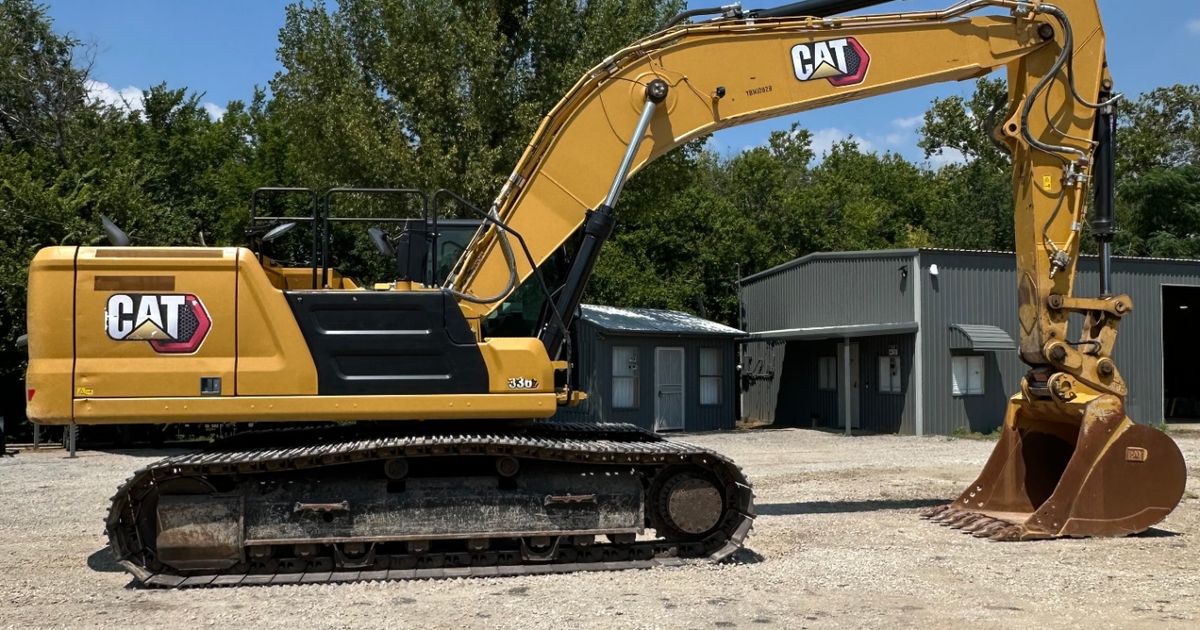
We've watched contractors leave serious money on the table — not because they rented the wrong machine, but because they treated rental equipment like a tool they could just start up and run hard from the first moment to the last. That approach works fine in a forgiving environment. North Texas is not a forgiving environment. Between the black gumbo clay that sticks to everything in the spring, the caliche rock that hides 4-6 feet below the surface in communities from Celina and Prosper down to Weatherford and Mansfield, and the 105°F summer days that push hydraulic systems to their thermal limits — this region punishes operators who don't respect machine setup and operating discipline.
After years of managing our rental fleet out of Denton and servicing job sites across the Metroplex and beyond, we've developed a clear picture of what separates operators who consistently hit production targets from those who call us at 2 PM wondering why their excavator is running sluggish. This post compiles the most actionable advice from our fleet experience into a practical guide any operator or superintendent can use starting tomorrow morning.
Key Takeaways
- Pre-shift walkarounds and fluid checks take 15 minutes but prevent hours of downtime — especially critical in 100°F+ North Texas summers when hydraulic systems run at their limits
- CAT equipment operators who use available technology features like grade control and load management systems report 20-30% faster cycle times compared to manual-only operation
- North Texas expansive black gumbo clay and caliche rock formations require specific bucket selection and digging angle adjustments — wrong tooling can cut productivity by 40% or more
- Idling rental equipment for extended periods wastes fuel and rental hours — modern CAT machines have auto-idle features that should be activated from day one
- Communicating your site conditions to the rental company before delivery allows for pre-configuration that can save 2-4 hours of lost production on the first day
What Should You Do Before Starting a Rental Machine for the First Time?
The single most productive 20 minutes of any rental period happens before the engine ever turns over. When one of our CAT 320 or 323 excavators arrives on your site, the temptation is to get the operator in the seat and start moving dirt. Resist that. The machine just traveled on a lowboy from our yard, fluids have settled, and nobody on your crew has touched those controls yet.
Start with a complete walkaround using CAT's standard pre-operation inspection checklist — check engine oil, hydraulic fluid level, coolant, and fuel. Inspect track tension and undercarriage components, because travel over rough ground during delivery can shift things. Verify all pins and retaining hardware on the bucket and arm. Check that the quick coupler — if the machine has one — is fully locked. These aren't bureaucratic steps; they are the difference between a full production day and a breakdown call at 10 AM.
After the visual check, start the engine and let the machine warm up at low idle for at least 5 minutes before putting it to work. In the summer months across North Texas when ambient temperatures are already pushing 95°F by 8 AM, this might seem unnecessary. The opposite is true — hydraulic fluid needs to reach proper operating viscosity before you start demanding full hydraulic pressure from the system. According to Caterpillar's maintenance guidelines, operating hydraulic systems under load before proper warm-up is one of the leading causes of premature seal and pump wear.
Before you leave the seat after warmup, check your machine display. CAT equipment with Product Link or CAT Grade technology gives you access to settings that significantly affect production. Confirm that auto-idle is enabled, verify that any pre-configured work tool settings match the attachment on the machine, and make sure your operator mode is set appropriately for the work you're doing. Smart Mode on most current CAT excavators automatically adjusts engine and hydraulic power to match demand — it's a fuel saver that also protects components from the stress of constant full-power operation.
How Do North Texas Soil Conditions Change Excavator Operating Technique?
North Texas soil is not uniform, and operators who dig the same way regardless of what's underground leave both production and equipment life on the table. The expansive clay that dominates much of our region — the black gumbo soil prevalent from Denton and Argyle down through Fort Worth, Crowley, and Mansfield — behaves dramatically differently wet versus dry. When it's wet, it packs into a bucket like concrete and sticks to everything. When it's bone dry in July, it cracks into hard plates that require aggressive breakout force.
For wet clay conditions, most operators instinctively slow down because the bucket loads heavy. A better approach is to reduce your bucket fill percentage intentionally — target 80-85% bucket capacity instead of trying to heap it — and shorten your swing arc if possible. A faster cycle with a controlled load consistently beats a slow cycle with a maximum load in terms of tons per hour moved. This is particularly relevant for utility contractors working in the Frisco, McKinney, and Little Elm corridors where ground conditions are often saturated from irrigation systems and recent development activity.
The caliche layer is the more serious challenge. Across most of the DFW area, you'll encounter caliche rock formations starting anywhere from 4 to 8 feet below grade, and this layer can stop an improperly sized or equipped machine cold. A standard dirt bucket is not the right tool for caliche — a rock bucket with heavier side plates and a reinforced cutting edge will outperform a general-purpose bucket by 40-60% in production rate while also surviving the work. If you haven't encountered hard rock conditions before on a project and suddenly hit caliche while trenching in Celina or Aubrey, call us at (817) 403-4334 before you grind away at it with the wrong tooling. We can often swap an attachment same-day to get you back to full production.
The USDA Web Soil Survey is a genuinely useful tool for pre-bid site assessment — it gives you a reasonable preview of soil classifications and can alert you to caliche or rock expectations before the first machine ever shows up on site.
What Operating Habits Waste the Most Time on a Job Site?
Excessive swing arc is the single most common production killer we see from the seat of an excavator. Every degree of unnecessary swing is wasted time and wasted fuel. If your excavator is digging and swinging 180 degrees to a spoil pile when a 90-degree swing to a different pile position would work, you're giving up roughly 20-25% of your cycle capacity right there. Before you start a trench or any repetitive digging task, spend two minutes planning machine position and spoil placement to minimize swing angle.
Extended idle time is the second-biggest production thief. Industry data suggests that construction equipment idles an average of 40% of operating hours on a typical job site, according to research compiled by the Associated General Contractors of America. On a rental machine, every idle hour costs you rental rate without producing anything. We enable auto-idle on our machines before they leave the yard, but it's worth confirming that setting is active. Most CAT machines will drop to low idle after 5 seconds of inactivity — that feature alone can reduce fuel consumption by 10-15% on a typical work day.
One of our customers running a utility installation project in Van Alstyne last year cut his daily fuel cost by nearly 18% simply by repositioning his excavator twice during the shift to maintain short swing arcs as the trench progressed, rather than letting the swing angle grow as the machine fell behind the work. Same operator, same machine, same crew — just better machine positioning discipline.
How Should Operators Handle Equipment in Extreme North Texas Heat?
Operating CAT equipment in 100°F-plus temperatures is standard practice for our customers from May through September across the North Texas region. The machines are engineered for it, but they require attentive operation. The most important habit is monitoring the temperature gauges on your machine display throughout the day, not just glancing at them during warm-up. Hydraulic oil temperature is the metric most operators ignore and most often regret.
When ambient temperatures exceed 100°F and you're doing continuous heavy work — say, demolition with a hydraulic breaker in Sherman or Denison, or continuous truck-loading excavation on a site in Irving or Carrollton — hydraulic oil temperatures can climb into the warning range faster than operators expect. If your machine's hydraulic temperature gauge starts approaching the caution zone, the correct response is to reduce work intensity for 10-15 minutes, not to push through it. Pushing through an overheating hydraulic system on a rental machine is how you create a pump or control valve failure that takes the machine out of service for days.
Operator hydration and heat management affects production just as directly as the machine's thermal performance. OSHA's heat illness prevention guidelines recommend acclimatization protocols and regular water breaks for workers in outdoor environments above 91°F. A fatigued operator makes poor machine positioning decisions and misses early warning signs of equipment issues — both of which cost production time.
For diesel engines, check coolant levels every morning without exception during hot weather. Radiator debris buildup — construction sites generate a lot of airborne dust and debris — can reduce cooling efficiency significantly. A quick inspection and compressed air blast of the radiator core takes three minutes and can prevent an overheating shutdown that costs three hours.
What Technology Features on CAT Rental Equipment Actually Improve Production?
Modern CAT equipment comes loaded with technology that a lot of operators either don't know about or don't trust enough to use. The operators who engage with these systems consistently outperform those who ignore them.
CAT Grade on current excavators provides real-time depth and slope guidance that eliminates the back-and-forth between the operator and a grade checker on the ground. For utility trenching to a consistent depth — the bread-and-butter work across North Texas's rapidly developing communities from Gunter and Gunter south through Prosper, Frisco, and Trophy Club — grade control technology can reduce over-excavation by 15-20% and cut the time spent re-checking grade by a similar margin. That translates directly to faster linear footage per day.
The Payload feature available on many CAT wheel loaders allows operators to monitor truck loading accuracy in real time. Overloading trucks creates legal liability on public roads under TxDOT oversize/overweight regulations and slows cycle times because drivers have to stage longer. Underloading trucks means more trips for the same volume of material moved. Payload monitoring helps operators consistently hit target load weights — typically 3-4 passes for a standard tandem — and that consistency compounds into significant productivity gains over a full day of operation.
If you're renting a machine from us and want a quick walkthrough of the technology features relevant to your specific job, call us at (817) 403-4334 before the machine delivers. Our team can walk you through the key settings in 15 minutes and make sure your operator arrives with a clear understanding of what's available on that specific unit.
How Do You Properly Document Equipment Condition to Avoid Rental Disputes?
Production maximization isn't just about output during the rental period — it's also about protecting yourself from disputes at return that eat into your project margin. Document machine condition thoroughly when equipment arrives on site. Photograph all sides of the machine, note any pre-existing wear or damage on the rental agreement, and keep that record accessible.
The same documentation discipline applies when you return equipment. Fuel levels, any operational issues that developed during the rental, and attachment condition should all be reported honestly and promptly. Transparent communication about what happened on site — especially if a machine worked through particularly abrasive caliche conditions or encountered an unexpected underground obstacle — helps us properly service equipment before it goes back out and prevents the kind of disputes that damage long-term working relationships.
Our team at Benchmark tracks machine health data through CAT Product Link, so we can see usage patterns, fuel consumption, and fault codes from equipment in the field. We use that data to proactively service machines between rentals, not to scrutinize customers. But it also means that honest communication about job site conditions helps us keep rental fleet in peak condition for everyone's benefit.
Ready to Put These Techniques to Work on Your Next Project?
Every one of these practices is something we've either learned from watching production-focused crews in the field or from analyzing what happened when a rental period went sideways. The fundamentals aren't complicated: prepare the machine properly, match your technique to the ground conditions, manage the machine's thermal health during summer operation, and use the technology that's already built into modern CAT equipment.
If you're planning a project across our North Texas service area — whether that's utility work in Wichita Falls, commercial earthwork in McKinney, or residential site prep in Weatherford or Waco — our team is glad to talk through equipment selection and site-specific setup recommendations before you commit to a rental. Reach us at (817) 403-4334 or stop by our Denton location. Getting the right machine configured correctly from day one is the highest-return investment you can make in any rental period.
Frequently Asked Questions
How much does proper machine warm-up actually affect production on a rental excavator?
Skipping warm-up doesn't save time — it costs it. Operating hydraulic systems under load before fluid reaches proper operating temperature accelerates seal and pump wear, which can cause mid-shift slowdowns or failures. In North Texas summer temperatures, a 5-minute warm-up at low idle allows hydraulic fluid to reach optimal viscosity and helps operators identify any issues before they become job-site shutdowns. Most experienced operators on high-production sites treat warm-up time as the cheapest insurance available.
What's the best way to dig through caliche rock with a rental excavator in DFW?
Caliche formations in the DFW area typically appear 4-8 feet below grade and require a rock bucket with reinforced cutting edges and heavier side plates rather than a standard general-purpose bucket. Using the correct tooling improves production rates by 40-60% compared to fighting caliche with a dirt bucket while also protecting the attachment from accelerated wear. If you encounter unexpected caliche mid-project, contact your rental company immediately to swap attachments — most reputable North Texas rental yards can accommodate same-day tool changes.
How do I prevent my rental excavator from overheating during North Texas summer jobs?
Monitor your hydraulic oil temperature gauge continuously during operation in temperatures above 100°F, not just during warm-up. If hydraulic temps approach the caution range during heavy continuous work — such as demolition with a hydraulic breaker — reduce work intensity for 10-15 minutes to allow the system to recover rather than pushing through it. Check coolant levels every morning without exception during hot weather, and inspect radiator cores for debris buildup, as construction site dust can significantly reduce cooling efficiency within a single work day.
Does using CAT Grade technology on a rental excavator actually speed up utility trenching?
Yes, measurably. CAT Grade provides real-time depth and slope guidance that eliminates the need for frequent stops to manually check grade with a rod or laser, reducing over-excavation by approximately 15-20% and cutting grade-checking time by a similar margin. For utility contractors running consistent-depth trenches on residential or commercial projects, this technology typically adds 10-20% to daily linear footage production. The system is available on most current CAT 320 and 323 rental machines and requires minimal operator training to start using effectively.
What's the biggest mistake operators make that wastes rental equipment hours?
Excessive swing arc and extended idle time are the two most consistent production killers. An excavator swinging 180 degrees when 90 degrees would suffice loses approximately 20-25% of potential cycle capacity. Industry data shows construction equipment idles an average of 40% of operating hours on typical job sites — on a rental machine, every idle hour costs you the rental rate without producing anything. Activating auto-idle (which drops machines to low idle after 5 seconds of inactivity) and repositioning equipment to maintain short swing arcs throughout the shift are the two fastest ways to recover productive hours.