.png)
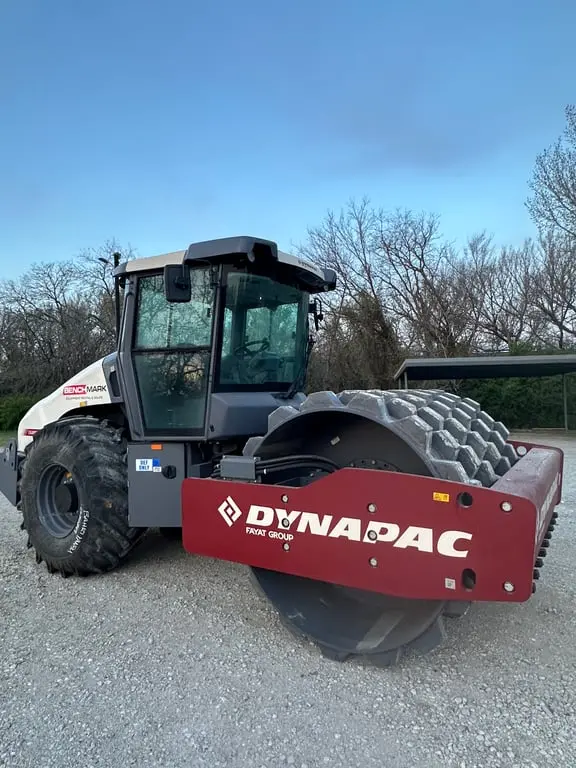
Heavy equipment represents one of the largest capital investments for construction companies, with individual machines often exceeding hundreds of thousands of dollars. The Associated Equipment Distributors Foundation reports that proper maintenance can extend equipment life by 40-60%, dramatically improving return on investment while reducing total cost of ownership. This comprehensive guide examines proven maintenance strategies that maximize equipment longevity, enhance reliability, and preserve resale value throughout the machine's operational life.
Establishing a Preventive Maintenance Foundation
Preventive maintenance forms the cornerstone of equipment longevity, shifting focus from reactive repairs to proactive care that prevents failures before they occur. According to the Construction Equipment Association (CEA), organizations implementing comprehensive preventive maintenance programs experience 75% fewer unexpected breakdowns and reduce maintenance costs by up to 25% compared to reactive maintenance approaches.
Daily inspection routines establish the first line of defense against premature wear and catastrophic failure. Operators should conduct thorough walk-around inspections before each shift, checking fluid levels, examining hoses and belts for wear, and identifying any unusual conditions. These inspections, taking merely 10-15 minutes, can identify developing issues when repairs remain simple and economical. Document all findings systematically, creating a historical record that reveals wear patterns and guides maintenance decisions.
Scheduled maintenance intervals must reflect both manufacturer recommendations and actual operating conditions. Severe applications including demolition, waste handling, or continuous high-load operation require shortened maintenance intervals to maintain reliability. The National Institute for Occupational Safety and Health (NIOSH) emphasizes that adjusting maintenance schedules based on application severity reduces equipment-related incidents by 45% while extending operational life significantly.
Creating detailed maintenance schedules for each machine ensures nothing gets overlooked. Modern fleet management software streamlines this process, automatically generating work orders based on hours, calendar intervals, or fuel consumption. Include all systems in your scheduling: engine, hydraulics, electrical, drivetrain, and structural components each require specific attention at appropriate intervals. Remember that skipping or deferring scheduled maintenance to meet production demands inevitably results in costlier repairs and shortened equipment life.
Fluid Management: The Lifeblood of Equipment Longevity
Fluids serve as the lifeblood of heavy equipment, and their proper management directly correlates with machine longevity. The Society of Tribologists and Lubrication Engineers (STLE) identifies contaminated or degraded fluids as the primary cause of component failure in hydraulic and engine systems, making fluid management essential for equipment preservation.
Engine oil requires particular attention given its critical role in preventing wear, managing heat, and removing contaminants. Beyond regular changes at specified intervals, oil analysis programs provide invaluable insights into engine condition. Laboratory analysis can detect coolant intrusion, excessive metal particles indicating wear, or fuel dilution before these conditions cause damage. Trend analysis across multiple samples reveals developing problems early, enabling targeted maintenance that prevents major failures.
Hydraulic fluid cleanliness standards have become increasingly stringent as systems operate at higher pressures with tighter tolerances. The International Organization for Standardization (ISO) establishes cleanliness codes that correlate directly with component life—improving cleanliness by just one ISO code can double hydraulic component life. Implement proper filtration, use dedicated transfer equipment to prevent contamination, and regularly test hydraulic fluid to ensure it meets manufacturer specifications.
Coolant system maintenance extends beyond simply maintaining levels. The American Society of Mechanical Engineers (ASME) notes that improper coolant maintenance causes 40% of engine failures. Test coolant regularly for freeze protection, pH balance, and additive depletion. Scale and corrosion within cooling systems reduce heat transfer efficiency, leading to overheating and accelerated wear. Annual cooling system flushes remove accumulated contaminants, restoring cooling efficiency and protecting expensive engine components.
Component-Specific Care Strategies
Different equipment components require specialized maintenance approaches tailored to their specific failure modes and wear patterns. Understanding these requirements enables targeted maintenance that maximizes component life while optimizing maintenance expenditure.
Undercarriage components on tracked equipment represent up to 50% of owning and operating costs according to Equipment World magazine. Daily cleaning removes abrasive materials that accelerate wear, while proper track tension prevents unnecessary stress on drive components. Regular inspection identifies worn components before they damage adjacent parts—replacing a worn idler costs far less than repairing damage caused by its failure. Rotate wear components when possible, and maintain proper track alignment to ensure even wear distribution.
Air filtration systems protect engines from contamination that causes premature wear. The Equipment Manufacturers Association reports that effective air filtration can extend engine life by up to 60%. Never compromise on filter quality—premium filters costing marginally more provide superior protection that pays dividends through extended engine life. In dusty conditions, consider pre-cleaners or upgraded filtration systems that reduce the load on primary filters. Monitor filter restriction indicators closely, changing filters before they become completely clogged and risk element failure.
Electrical systems increasingly determine equipment reliability as machines incorporate sophisticated electronic controls. Corrosion at connections causes intermittent faults that prove difficult to diagnose and repair. Apply dielectric grease to connections during assembly, seal wire entry points against moisture intrusion, and regularly clean battery terminals. The National Electrical Manufacturers Association (NEMA) recommends annual thermal imaging of electrical systems to identify high-resistance connections before they fail.
The Technology Advantage in Modern Maintenance
Technology integration has revolutionized equipment maintenance, enabling predictive strategies that identify issues before they impact operation. Telematics systems now standard on newer equipment provide real-time monitoring of critical parameters, alerting maintenance teams to developing problems immediately.
Machine monitoring systems track everything from engine parameters to hydraulic pressures, establishing baseline performance metrics that reveal degradation over time. The Association of Equipment Management Professionals (AEMP) documents that telematics-enabled maintenance programs reduce unplanned downtime by 65% while extending equipment life by 20-30%. These systems prove particularly valuable for identifying intermittent issues that might escape detection during routine inspections.
Condition-based maintenance leverages sensor data to optimize maintenance timing based on actual equipment condition rather than arbitrary intervals. Vibration analysis identifies bearing wear before failure, while infrared thermography reveals overheating components invisible to visual inspection. Oil analysis trends predict component failure weeks in advance, enabling planned replacement during scheduled downtime rather than emergency repairs.
Equipment with less than 8,000 operating hours typically includes the latest generation of monitoring technology, providing superior diagnostic capabilities compared to older machines. These newer systems offer more comprehensive data logging, better integration with maintenance management software, and more accurate predictive algorithms. Additionally, low-hour machines maintain better sensor calibration and system integration, ensuring monitoring data remains reliable for maintenance decision-making.
Storage and Seasonal Considerations
Proper storage practices significantly impact equipment longevity, particularly for machines experiencing seasonal use patterns or extended idle periods. The Construction Industry Institute (CII) identifies improper storage as responsible for 15% of premature equipment deterioration, making storage protocols essential for life extension.
Pre-storage preparation prevents deterioration during idle periods. Thoroughly clean equipment to remove corrosive materials like salt, fertilizer, or chemical residues. Apply protective coatings to exposed metal surfaces, and lubricate all grease points to displace moisture. For extended storage, consider adding fuel stabilizers and running engines periodically to maintain lubrication and prevent seal deterioration.
Climate control dramatically impacts storage effectiveness. When possible, store equipment indoors to prevent weather-related deterioration. If indoor storage isn't feasible, use quality covers that protect against precipitation while allowing ventilation to prevent condensation. Block tires off the ground to prevent flat-spotting, and remove batteries for warm storage to extend their service life.
Conclusion
Extending heavy equipment life requires commitment to comprehensive maintenance practices that address all aspects of machine care. From establishing robust preventive maintenance programs to leveraging advanced monitoring technologies, each element contributes to maximizing equipment longevity and return on investment. Organizations that prioritize fluid management, component-specific care, and proper storage practices consistently achieve equipment life spans exceeding industry averages while maintaining superior reliability and resale value. When combined with the inherent advantages of low-hour equipment featuring less than 8,000 operating hours—including better initial condition, current technology, and established maintenance histories—these practices create a maintenance framework that transforms equipment from depreciating assets into long-term value generators that support business growth and profitability.