.png)
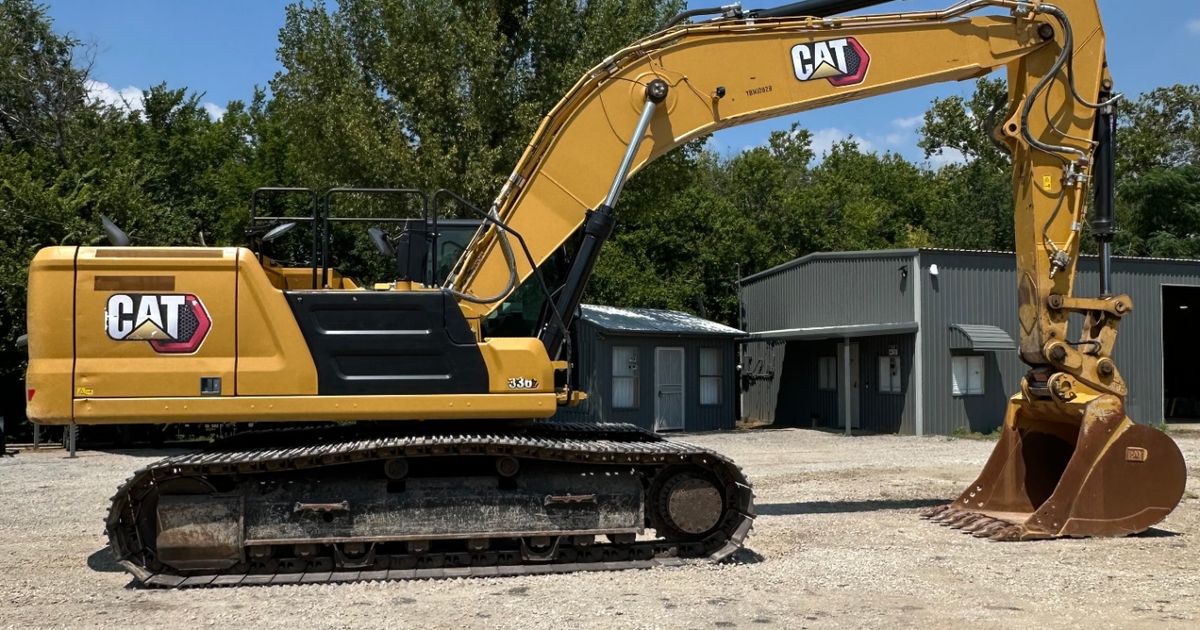
Every week at our Denton yard, we watch contractors show up ready to load a CAT 320 or 299D3 XE onto their trailer — only to hit a wall at the counter because their insurance paperwork isn't in order. It delays jobs, frustrates crews, and occasionally costs a contractor a full day of site prep time while they scramble to get a certificate of insurance emailed over. Understanding what's required before you call to reserve equipment isn't just good planning — it's the difference between rolling at 7 a.m. and sitting in our parking lot until noon.
This guide breaks down exactly what we require at Benchmark Equipment, what the broader industry standard looks like, and how North Texas job site conditions make the right coverage decisions more important than most contractors realize.
Key Takeaways
- A certificate of insurance naming the rental company as additional insured is required before most commercial equipment can leave our yard — no exceptions.
- Texas does not mandate equipment rental insurance by state law, but rental contracts universally impose it; failing to carry proper coverage leaves renters personally liable for equipment valued between $50,000 and $600,000+.
- Damage waivers offered at the rental counter typically cover 60-80% of repair costs but exclude gross negligence, abuse, and rollover events — read the fine print.
- North Texas caliche rock and expansive clay conditions are leading cause of undercarriage and hydraulic damage claims in our rental fleet, making adequate coverage especially critical on DFW-area projects.
- Most general contractors require subcontractors to carry $1M–$2M per occurrence in general liability before allowing rental equipment on a shared job site.
What Insurance Do You Actually Need to Rent Construction Equipment in Texas?
The baseline requirement across virtually every commercial equipment rental agreement in Texas is a certificate of insurance showing general liability coverage of at least $1 million per occurrence and $2 million aggregate, with the rental company listed as an additional insured. That certificate needs to be issued by an A-rated carrier and must arrive before equipment leaves our yard — a verbal assurance or a policy number written on a piece of paper doesn't satisfy the requirement.
Beyond general liability, physical damage coverage for the equipment itself is where renters most commonly get into trouble. Your general liability policy protects third parties from bodily injury and property damage caused by your operations, but it does not cover the rental unit itself. If a CAT 308 CR mini excavator gets sideswiped by a delivery truck on your Prosper subdivision site, or if a hydraulic line blows during a push through caliche rock near Celina and the resulting fire damages the machine, your GL policy won't pay for the equipment. That responsibility falls to either an inland marine (equipment floater) policy or a builders risk policy that specifically extends to non-owned equipment — or to the damage waiver we offer at the counter.
According to the Independent Rental Party (IRP) industry standards and guidance from the American Rental Association, the equipment renter bears full financial responsibility for loss or damage during the rental period regardless of fault. That's not a Benchmark policy — that's standard across the rental industry and it's grounded in decades of contract law.
What Does a Rental Damage Waiver Actually Cover — and What Does It Miss?
A damage waiver (sometimes called a Loss Damage Waiver or LDW) is a fee-based product the rental company charges daily or weekly that limits your financial exposure if the equipment is damaged while in your possession. At Benchmark, our damage waiver covers accidental physical damage to the machine — think broken glass, bent bucket teeth from hitting buried rebar, or a cracked windshield from a rock thrown by the machine's own tracks. For contractors who don't carry inland marine coverage and are renting equipment for a short-term project, a damage waiver is often the most practical option.
What damage waivers universally exclude, however, is where renters get blindsided. Gross negligence — operating a machine in a manner that demonstrates reckless disregard for its mechanical limits — voids waiver protection. Rollovers almost always require a separate investigation before any waiver applies. Theft without forced entry (meaning someone walked off with an attachment you left unchained) is typically not covered. And in North Texas, one of the most common damage scenarios we see — pushing a tracked excavator through hard caliche rock formations that run 4 to 8 feet deep across much of the DFW collar counties — can be flagged as improper application if the machine wasn't spec'd for that kind of material and the operator forced it anyway.
Our standing advice to contractors working in Denton, Decatur, Gainesville, or anywhere across Wise and Cooke counties: if you're cutting into ground you haven't had properly located and soil-tested, talk to us about the right machine and the right attachments before the job starts. We'd rather spend 20 minutes on the phone than process a damage claim after a hydraulic hammer attachment gets stuck at 6 feet because nobody expected caliche that hard.
Do You Need Separate Coverage for Equipment Attachments and Accessories?
Attachments are a significant gray area that most renters don't think about until something goes missing. A hydraulic breaker, a grapple bucket, or a plate compactor rented alongside a compact track loader represents anywhere from $3,000 to $40,000 in additional equipment value — and the coverage status for attachments often differs from the base machine. In our rental agreements, attachments are covered under the same damage waiver terms as the machine, but theft of an attachment left unsecured at a job site overnight is treated differently than damage to the machine itself.
The OSHA 1926 construction standards require that equipment be properly secured when not in operation, and while OSHA isn't your insurance company, a documented violation of those standards can give an insurer grounds to deny a claim. On active job sites across McKinney, Frisco, and Trophy Club — where equipment density is high and site security can be porous — we've seen attachment theft become a real cost center for contractors who didn't have a clear plan for securing rented accessories.
If your inland marine policy covers non-owned equipment, confirm with your broker that the coverage extends to attachments and accessories, not just self-propelled machines. Many policies are written narrowly, and a $15,000 hydraulic hammer sitting on a trailer in Aubrey overnight may not qualify as a "scheduled" item unless your broker specifically added it.
How Do North Texas Soil and Weather Conditions Affect Equipment Insurance Claims?
This is where our operational experience as a Denton-based rental fleet matters more than any insurance policy overview you'll find online. North Texas presents a specific combination of soil and climate conditions that drives equipment damage in ways that contractors relocating from other regions don't always anticipate.
The expansive black clay soil — what locals call black gumbo — that dominates much of Denton, Collin, and Dallas counties shrinks dramatically during summer drought and swells after rain. We've seen this soil movement crack drive lines on compact track loaders that were left parked on a site for a week during a wet spell, as the ground literally shifted under the machine. More commonly, clay buildup in undercarriage systems during wet conditions causes accelerated wear that can void manufacturer warranty coverage and complicate damage claims if the equipment wasn't cleaned according to the operator's manual.
Summer heat in the DFW area — we routinely see 100°F to 108°F from June through September — pushes hydraulic fluid temperatures into ranges that can damage seals and cylinders on machines that aren't properly monitored. According to Caterpillar's operational guidance, hydraulic oil operating above 180°F accelerates seal degradation significantly, and in peak Texas summer, a machine working hard in direct sun without adequate cool-down cycles can exceed that threshold within a few hours. When a hydraulic cylinder seal fails under those conditions and a renter files a damage claim, the question of operator negligence versus normal wear becomes complicated fast.
On the freeze side, North Texas gets hard freezes every few winters — the kind that hit Wichita Falls, Sherman, and Denison harder than the Metroplex core. Hydraulic fluid that thickens overnight in an unheated yard can cause significant cylinder and pump damage if an operator fires up a machine at 7 a.m. and immediately goes to full-throttle operation without allowing warm-up time. A damage waiver typically won't cover freeze-related hydraulic damage if the rental agreement's operating guidelines required cold-weather warm-up procedures that weren't followed.
What Should Subcontractors Know About Insurance Requirements on Shared Job Sites?
When a subcontractor rents equipment and brings it onto a job site managed by a general contractor, the insurance requirements multiply. The general contractor's contract will almost always impose minimum insurance thresholds — commonly $1 million to $2 million per occurrence in general liability — and will often require that the GC be named as an additional insured on the sub's policy. On top of that, the rental company's requirements still apply independently.
According to guidance from the Associated General Contractors of America (AGC), approximately 73% of construction contracts now include indemnification clauses that transfer risk from the GC to subcontractors for incidents arising from the sub's equipment operations. That means if a rented CAT 299D3 compact track loader causes property damage on a shared site in Mansfield or Crowley, the sub who rented it — not the GC and not the rental company — will bear the financial burden unless their coverage is properly structured.
We strongly recommend that any subcontractor working under a GC contract share that contract's insurance requirements with their broker before renting equipment from us or anyone else. Trying to sort out coverage gaps after an incident — with a project on the line and attorneys involved — is exponentially more expensive than getting the certificate right before the job starts.
What's the Fastest Way to Get Your Insurance Paperwork Sorted Before Pickup?
The single fastest path to getting equipment out of our Denton yard on schedule is calling us at (817) 403-4334 the day before your planned pickup and confirming exactly what the rental agreement will require for the specific machine you're reserving. Different equipment categories — particularly large excavators, cranes, and high-reach attachments — sometimes carry additional insurance requirements beyond the standard baseline. Knowing that 24 hours ahead gives your broker enough lead time to issue a certificate without a rush fee.
When you call your broker, give them the rental company's full legal name and address exactly as it appears on our rental agreement, the specific equipment you're renting (make, model, and serial number if available), the rental period dates, and the job site address. Certificates issued with incorrect additional insured language — a surprisingly common problem — will be rejected and require a reissue, costing you time you may not have on a Monday morning when a crew is waiting in Weatherford or Van Alstyne.
For contractors who rent from us regularly across Denton, Tarrant, Collin, and the surrounding counties, we can keep your certificate on file and flag you when it's approaching expiration. That keeps paperwork from becoming the reason a job doesn't start on time. If you have questions about what your specific project will require, give us a call at (817) 403-4334 — we'd rather talk through it in advance than hold equipment at the yard while paperwork gets sorted.
The Insurance Information Institute and the U.S. Department of Labor both offer resources on commercial insurance structuring for contractors, but the fastest answers for your specific rental situation will always come from a conversation with our team. We know North Texas job sites, we know what damage looks like in this soil, and we want every machine we rent to come back clean and every renter to come back for the next job without a claim hanging over them.
Frequently Asked Questions
Does my general liability insurance cover a rented excavator if it gets damaged on my job site?
No — general liability insurance covers bodily injury and property damage to third parties, not the rental equipment itself. To cover physical damage to a rented machine, you need either an inland marine (equipment floater) policy that extends to non-owned equipment, a builders risk policy with non-owned equipment coverage, or the damage waiver offered directly by the rental company. Always confirm with your broker that your policy explicitly covers rented construction equipment before assuming you're protected.
What is a damage waiver on a rental agreement and is it worth buying?
A damage waiver (LDW) is a daily or weekly fee charged by the rental company that limits your out-of-pocket liability for accidental physical damage to the equipment during your rental period. It's typically worth purchasing for short-term rentals or for contractors who don't carry inland marine coverage, but it does not cover theft without forced entry, gross negligence, rollover events in many cases, or damage resulting from operating outside the machine's specified application. Read the exclusions carefully before assuming full protection.
How much liability insurance do I need to rent heavy construction equipment in Texas?
Most commercial equipment rental agreements in Texas require a minimum of $1 million per occurrence and $2 million aggregate in general liability coverage, with the rental company named as an additional insured on your certificate. For larger equipment like excavators above the 30-ton class, cranes, or specialized attachments, some rental companies require higher limits. If you're working as a subcontractor on a GC-managed site, the GC's contract may impose its own minimum insurance thresholds that are independent of the rental company's requirements.
Can a rental company hold me personally responsible for damage to equipment I rented?
Yes. Under standard Texas rental agreements and well-established contract law, the renter bears full financial responsibility for loss or damage to equipment during the rental period, regardless of fault. If you damage a machine valued at $250,000 and have no applicable coverage — no inland marine policy, no damage waiver — the rental company can pursue the full repair or replacement cost from you personally or from your business. This is why confirming your coverage before pickup, not after an incident, is critical.
What happens to my equipment rental insurance claim if I hit caliche rock or the machine gets stuck in clay soil?
Damage caused by North Texas soil conditions — including hitting unexpected caliche rock formations or undercarriage damage from clay buildup — can be covered by a damage waiver or inland marine policy, but the claim may be scrutinized for evidence of misapplication or operator negligence. If you operate a machine beyond its rated capacity for the material being worked, or fail to perform required cleaning of the undercarriage in clay conditions, the rental company or insurer may contest the claim. Selecting the correctly spec'd machine for your specific soil conditions upfront is the best way to avoid this situation entirely.