.png)
When it comes to construction and earthmoving projects, selecting the appropriate excavator can make the difference between completing your job on time and within budget, or facing costly delays and inefficiencies. Caterpillar, the world's leading manufacturer of construction equipment according to Statista's construction machinery rankings, offers an extensive range of excavators designed to meet virtually every project requirement. This comprehensive guide will help you determine exactly which Cat excavator suits your specific needs while maximizing value through strategic rental choices.
Understanding Excavator Size Classifications
Cat excavators are categorized into distinct size classes, each optimized for specific applications and working conditions. The official Caterpillar website classifies their excavators into mini, small, medium, and large categories, with operating weights ranging from 1 to over 90 metric tons.
Mini excavators (1-10 tons) excel in confined spaces and urban environments where maneuverability is paramount. These compact machines, such as the Cat 301.7 CR, are perfect for landscaping, utility installation, and residential construction projects. Their rubber tracks minimize surface damage, making them ideal for work on finished surfaces or sensitive terrain.
Small excavators (10-20 tons) bridge the gap between compact maneuverability and substantial digging power. Models like the Cat 315 offer versatility for general construction, road building, and smaller commercial projects. These machines provide excellent fuel efficiency while maintaining the power necessary for moderate excavation tasks.
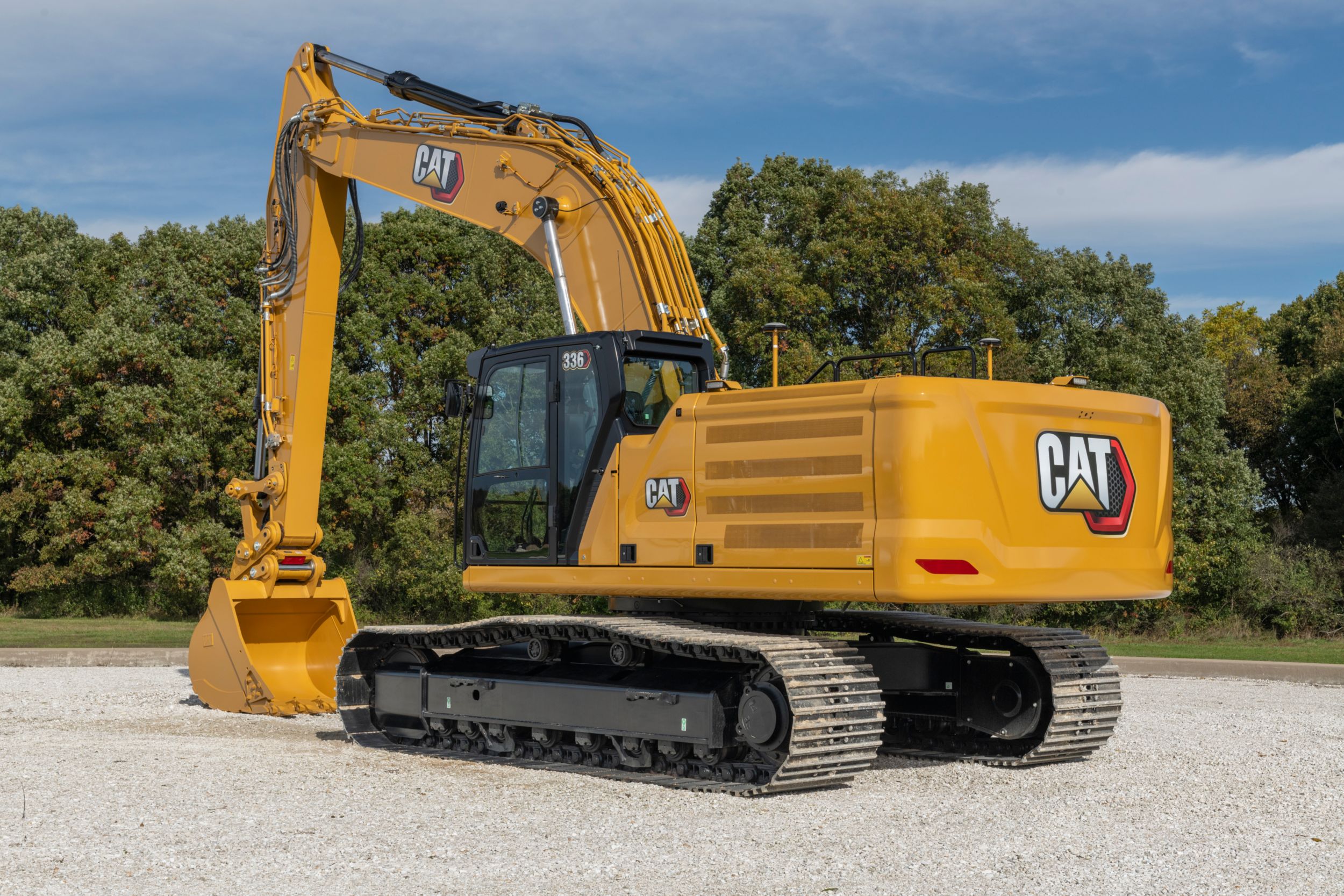
Medium excavators (20-40 tons) represent the workhorses of most construction sites. The Cat 336, one of the most popular models in this category, delivers optimal balance between power, reach, and transportability. According to Equipment World's analysis, medium-sized excavators account for the majority of rental fleet utilization due to their versatility.
Large excavators (40+ tons) are designed for heavy-duty applications including mining, quarrying, and major infrastructure projects. These powerful machines, such as the Cat 395, can move massive amounts of material efficiently but require careful consideration of site access and ground conditions.
Matching Equipment to Application Requirements
Selecting the right excavator starts with thoroughly assessing your project requirements. Digging depth represents a critical specification that directly impacts equipment selection. For utility trenching requiring depths up to 15 feet, a small excavator typically suffices. However, deep foundation work or basement excavations often demand medium to large excavators with extended reach capabilities.
Lift capacity becomes crucial when your project involves placing pipes, setting precast structures, or loading trucks. The Associated General Contractors of America emphasizes that undersizing equipment for lifting operations not only reduces productivity but also creates safety hazards. Always factor in the weight of attachments and ensure adequate capacity margins for safe operation.
The working environment significantly influences excavator selection. Urban projects with space constraints often necessitate compact or zero-tail-swing models that can operate efficiently in tight quarters. Conversely, open construction sites allow for larger machines that maximize productivity through increased bucket capacity and cycle times.
The Strategic Advantage of Low-Hour Rentals
When renting Cat excavators, prioritizing machines with less than 8,000 operating hours provides substantial benefits that extend beyond simple reliability concerns. According to data from Construction Equipment magazine, excavators with under 8,000 hours typically operate at 95% or better of their original performance specifications, ensuring consistent productivity throughout your rental period.
Low-hour machines experience significantly fewer unexpected breakdowns, reducing costly project delays. The hydraulic systems in these excavators maintain optimal pressure and flow rates, translating to faster cycle times and improved fuel efficiency. Additionally, newer machines incorporate the latest emissions technology, helping contractors meet increasingly stringent environmental regulations while potentially qualifying for green building credits.
Modern Cat excavators with lower hours also feature advanced technology systems including Grade Control and Payload systems that may not be available on older units. These technologies, as documented by the National Institute of Standards and Technology, can improve productivity by up to 45% while reducing operator fatigue and rework.
Why Owner-Operator Rental Companies Excel
Partnering with owner-operator rental companies for your Cat excavator needs offers distinct advantages over large corporate rental chains. Owner-operators typically maintain smaller, meticulously serviced fleets where each machine receives personal attention. This hands-on approach results in better-maintained equipment and more reliable performance on your job site.
The expertise factor cannot be overstated. Owner-operators often bring decades of industry experience and can provide invaluable guidance on equipment selection, attachment options, and operational best practices. Unlike corporate rental representatives who may lack field experience, owner-operators understand the nuances of different applications and can recommend optimal solutions based on real-world experience.
Flexibility and responsiveness represent key benefits of working with owner-operators. These businesses can often accommodate special requests, provide emergency support, and adjust rental terms to match project requirements. The Small Business Administration notes that small equipment rental businesses consistently outperform larger competitors in customer satisfaction metrics, particularly regarding response time and problem resolution.
Cost efficiency frequently favors owner-operator relationships. Without the overhead burden of large corporate structures, these businesses can offer competitive rates while maintaining superior service standards. Additionally, owner-operators often include valuable extras such as equipment delivery, basic maintenance support, and operational guidance within their standard rental agreements.
Making Your Final Selection
Successfully choosing the right Cat excavator requires balancing multiple factors including project specifications, site conditions, budget constraints, and timeline requirements. Begin by creating a detailed scope of work that identifies all planned excavator applications. Consult with experienced operators and project managers who understand the practical implications of equipment selection.
Consider future project phases when making your selection. While it might seem economical to rent the smallest suitable excavator, having adequate capacity reserves can accommodate scope changes without requiring equipment swaps that disrupt productivity. The American Rental Association recommends selecting equipment with 20-30% capacity buffer for optimal flexibility.
Conclusion
Selecting the appropriate Cat excavator for your project demands careful consideration of numerous factors, from technical specifications to rental partner selection. By focusing on properly sized equipment, prioritizing low-hour machines under 8,000 hours, and partnering with knowledgeable owner-operator rental companies, you position your project for success. Remember that the lowest rental rate rarely translates to the lowest project cost – investing in the right equipment with reliable support ultimately delivers superior value through improved productivity, reduced downtime, and successful project completion.