.png)
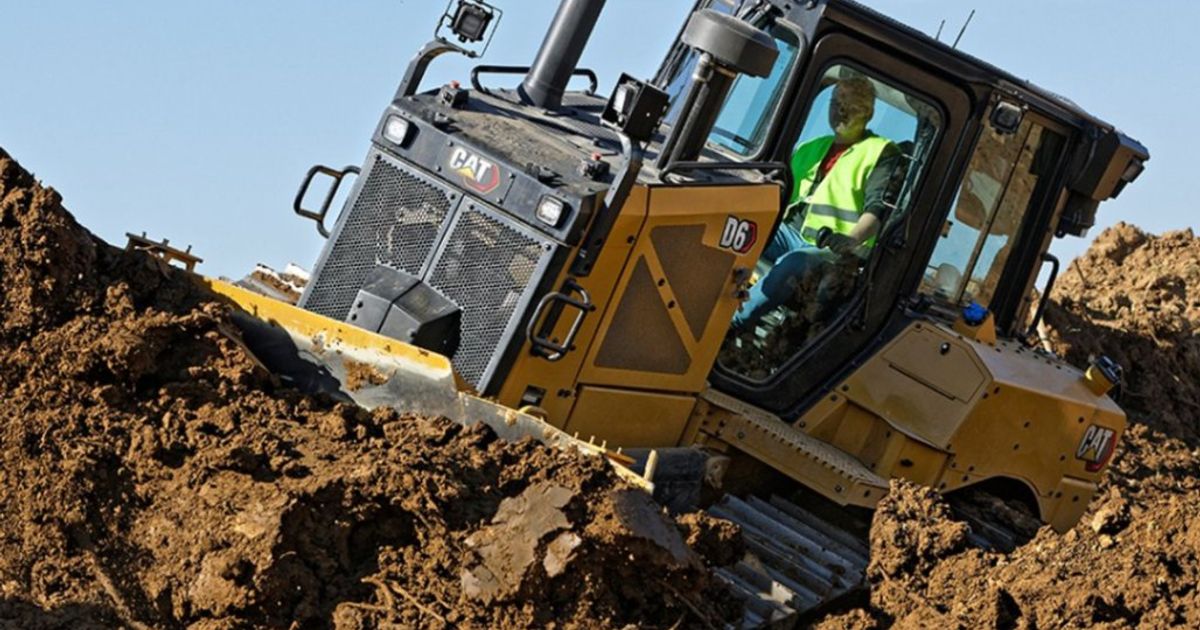
After running both Cat D8 and D6 dozers in our Denton rental fleet for over a decade, we've seen these machines tackle everything from the expansive clay soils around Prosper to the stubborn caliche formations typical in McKinney developments. The choice between these two workhorses comes down to more than just horsepower numbers – it's about matching the right machine to your specific North Texas job conditions and productivity requirements.
Most contractors call us asking which dozer to rent without considering that the D8's extra 100+ horsepower might be overkill for their site, or conversely, that a D6 could leave them struggling with the rock-hard caliche layers we typically encounter 4-8 feet down in Denton County projects. Let's break down the real-world performance differences we've observed across hundreds of rental periods.
Power and Performance: Where Each Machine Excels
The Cat D8's 305-horsepower C9.3 ACERT engine delivers significantly more torque than the D6's 215-horsepower C7.1 ACERT powerplant. In our experience serving contractors from Fort Worth to Sherman, this power difference becomes most apparent when pushing through North Texas clay that's been baked hard by summer heat exceeding 100°F for weeks on end.
We've watched D6 operators struggle with blade loads that a D8 handles without downshifting. Last year, a contractor working on a large residential development in Celina rented a D6 for initial site prep. After two days of fighting the compacted clay conditions, they swapped to our D8T and completed the remaining work in half the time. The productivity difference paid for the higher rental rate within the first day.
However, the D6's lower ground pressure – typically 9.7 psi versus the D8's 11.8 psi – makes it surprisingly effective in saturated clay conditions. During those occasional North Texas winter freezes that thaw into muddy job sites, we've seen D6s maintain traction where D8s bog down despite their power advantage.
Blade Capacity and Material Movement Differences
The numbers tell part of the story: D8 blades typically move 4.5-5.9 cubic yards per pass compared to the D6's 3.2-4.2 cubic yards. But raw capacity doesn't account for the sticky, cohesive nature of North Texas black gumbo clay that challenges both machines differently.
Our D8s come equipped with heavier-duty blade hydraulics that maintain cutting force even when dealing with the dense clay layers common in Argyle and Trophy Club developments. The OSHA earthmoving guidelines emphasize proper equipment selection for soil conditions, and we've found the D8's hydraulic system handles variable clay consistency better than the D6's lighter-duty setup.
The D6's smaller blade actually becomes an advantage in precision grading work. Contractors building smaller commercial sites in Frisco or residential developments in Aubrey often prefer the D6's maneuverability when working around utilities or in confined areas where the D8's 10-foot longer wheelbase becomes a liability.
Operating Weight Impact on North Texas Soil Conditions
At 84,000 pounds, our D8T dozers pack significantly more mass than the D6's 54,000-pound operating weight. This weight difference creates distinct advantages and challenges on North Texas job sites.
The D8's extra weight becomes crucial when ripping through caliche. Most Denton County projects hit these limestone-like formations around the 4-6 foot depth, and the D8's mass helps maintain ripper penetration where a D6 might lose traction. We've seen D6s bounce off caliche layers that our D8s punch through consistently.
However, that same weight works against the D8 during wet conditions. The expansive clay soils throughout our service area can go from concrete-hard to sticky mud within hours during heavy rain. According to USDA soil survey data, the shrink-swell characteristics of North Texas clay create challenging working conditions that favor lower ground pressure equipment during wet periods.
Fuel Consumption and Operating Cost Analysis
Our fuel tracking across both models shows the D8 consuming approximately 12-15 gallons per hour under typical North Texas conditions, while the D6 averages 8-10 gallons hourly. With diesel prices fluctuating between $3.50-4.50 per gallon in the Denton area, this 40-50% fuel difference adds up quickly on longer projects.
However, raw fuel costs don't tell the complete story. A contractor recently rented our D6 for a week-long job in Weatherford, thinking the lower fuel consumption would offset the longer work time. After calculating total project costs including extended operator wages and equipment rental days, the D8 would have delivered better economics despite higher fuel consumption.
The Associated General Contractors' quarterly reports consistently show that productivity gains often outweigh operating cost differences on earthmoving projects exceeding 1,000 cubic yards of material movement.
Technology and Operator Comfort Comparison
Both machines in our fleet come equipped with Cat's Grade Control technology, but the implementation differs significantly. The D8's more robust hydraulic system responds faster to grade corrections, which becomes critical when working in the variable soil conditions between Gainesville and Waco where clay depths change dramatically across a single site.
Operators consistently report better visibility from the D8's cab, particularly when working with larger material piles. The higher seating position provides clearer sight lines over blade loads, which improves safety and efficiency according to NIOSH construction safety research.
Climate control becomes crucial during North Texas summers when air temperatures exceed 105°F. Both cabs handle the heat well, but the D8's larger HVAC system maintains consistent temperatures better during the long hours typical of major earthmoving projects in Irving or Mansfield developments.
Transportation and Logistics Considerations
Moving equipment between North Texas job sites involves different logistical challenges for each machine. The D6 travels on standard lowboy trailers without special permits, while the D8 requires overweight permits for transport between Denton and distant job sites in Bowie or Van Alstyne.
We've seen contractors choose the D6 specifically to avoid permit delays and transportation costs, especially for shorter rental periods. However, TxDOT permit processing typically adds only 1-2 days to D8 deliveries, and the productivity gains often justify the additional logistics complexity.
Real-World Application Scenarios
Site clearing projects across Collin and Denton counties typically favor the D8's raw power. When contractors need to push through mature mesquite and oak root systems common in undeveloped North Texas land, the D8's extra torque keeps productivity high without overworking the drivetrain.
Conversely, finish grading work on commercial developments in Sherman or Denison often calls for the D6's precision. The lighter machine provides better control when establishing final grades within the tight tolerances required for modern construction. We've had contractors rent D6s specifically for fine grading after using larger equipment for bulk earthwork.
Road construction projects present mixed requirements. The Texas Department of Transportation's specifications often require specific compaction levels that benefit from the D8's weight, while narrow right-of-way work favors the D6's maneuverability. A recent I-35 improvement project in Denton used our D8 for embankment construction and D6 for final shoulder work.
Maintenance and Reliability in North Texas Conditions
Both machines handle North Texas conditions well, but the abrasive caliche and sticky clay create different maintenance challenges. The D8's heavier-duty components generally withstand the punishment better, resulting in fewer mid-project breakdowns on demanding jobs.
Track wear becomes a significant factor. The D8's wider tracks distribute weight better on abrasive caliche, often lasting 25-30% longer than D6 tracks under similar conditions. However, the D6's tracks cost considerably less to replace, making the total ownership equation more complex than initial track life would suggest.
Air filtration systems work harder in the dusty conditions common during North Texas dry periods. Both machines use similar filtration technology, but the D8's larger air cleaner capacity extends service intervals, reducing downtime during extended projects like the major residential developments spreading across Prosper and McKinney.
Making the Right Choice for Your Project
The decision between D6 and D8 ultimately depends on matching machine capabilities to your specific North Texas job requirements. Projects involving primarily clay excavation and fine grading work often benefit from the D6's lower operating costs and better maneuverability. However, jobs requiring significant caliche removal or high-volume material movement typically justify the D8's higher rental rate through improved productivity.
Consider the total project timeline when making your choice. Short-duration jobs might favor the D6's lower daily costs, while longer projects often benefit from the D8's ability to move more material per shift. The American Society of Civil Engineers emphasizes considering lifecycle costs rather than just initial equipment rates.
Site access also plays a crucial role. Confined urban sites in downtown Denton or Fort Worth often limit equipment size, making the D6 the only practical choice despite potential productivity advantages of the larger machine.
Need help determining whether a D6 or D8 makes sense for your upcoming North Texas project? Our equipment specialists have seen both machines handle everything from the sticky clay around Little Elm to the rock-hard caliche in Decatur. Call us at (817) 403-4334 and we'll walk you through what actually works for your specific site conditions and timeline requirements.