.png)
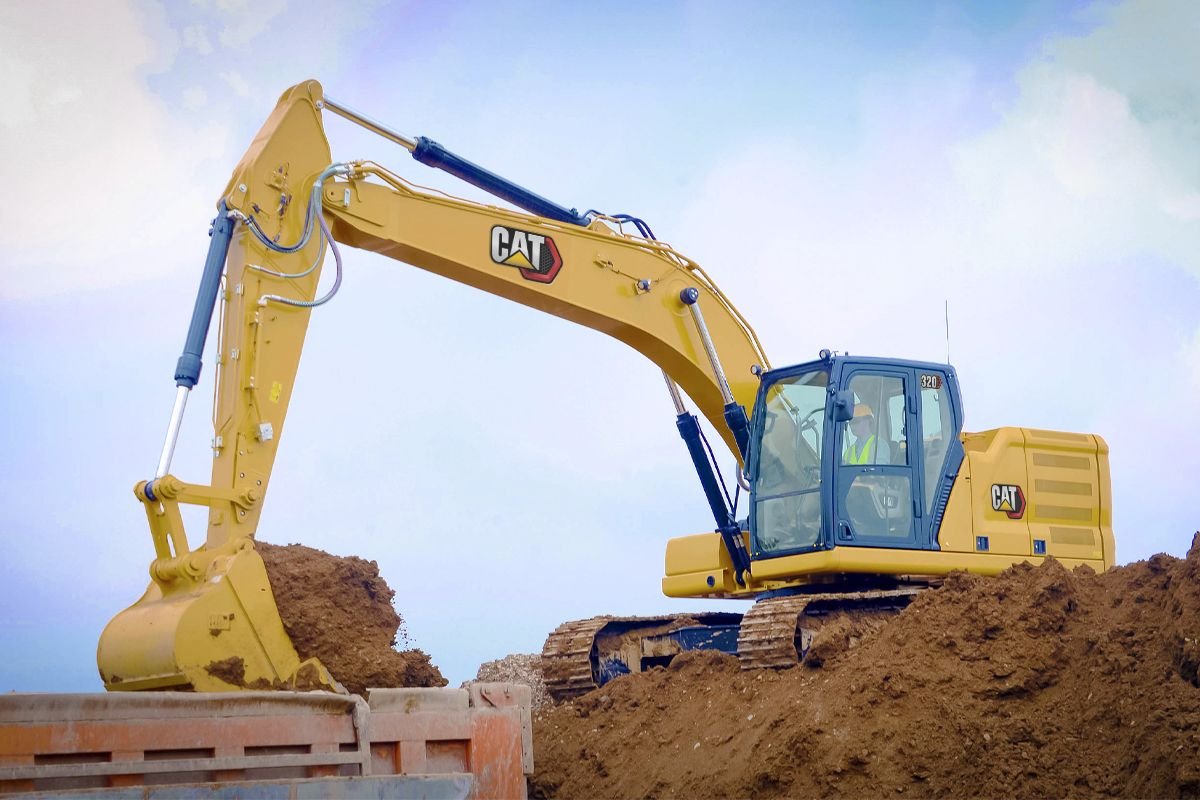
Most contractors in North Texas don't realize they're burning 30% more fuel than necessary with their Cat 320 excavators. We see this constantly in our Denton rental fleet - operators who understand the machine's capabilities can dramatically reduce fuel consumption while maintaining productivity. After renting Cat 320s for thousands of hours across Denton County's challenging clay and caliche conditions, we've identified the specific strategies that deliver real fuel savings on North Texas job sites.
The Cat 320's efficient C7.1 ACERT engine produces 147 horsepower, but fuel consumption varies wildly based on operating technique. We've tracked fuel usage across identical machines on similar projects - the difference between efficient and inefficient operation can cost contractors $150-200 per day in wasted fuel. That's $30,000+ annually for busy contractors running equipment daily.
Smart Power Mode Management for Maximum Efficiency
The Cat 320's multiple power modes aren't just marketing features - they're fuel-saving tools when used correctly. Most operators default to Power mode and never adjust, but we've seen contractors cut fuel consumption by 15-20% just by matching power mode to actual work requirements.
Smart mode automatically adjusts engine output based on load demand, perfect for North Texas conditions where you're alternating between digging tough caliche layers and moving lighter topsoil. Last month, a contractor working a Prosper development site reduced daily fuel consumption from 28 gallons to 23 gallons simply by switching from Power to Smart mode during the 60% of his day spent on lighter excavation work.
Eco mode delivers the most dramatic fuel savings - up to 25% reduction compared to Power mode. We recommend Eco mode for trenching work in softer clay conditions common around McKinney and Frisco. The reduced hydraulic flow actually improves precision for finish grading, making this a win-win adjustment. However, avoid Eco mode when hitting the hard caliche layers typical at 4-6 feet depth in Denton County - the engine will struggle and actually burn more fuel.
Hydraulic System Optimization Techniques
The Cat 320's advanced hydraulic system offers significant fuel-saving potential when operators understand how to leverage variable displacement pumps and intelligent hydraulic controls. Caterpillar's own studies show that proper hydraulic technique can improve fuel efficiency by 15-25% while maintaining productivity.
Simultaneous function operation is where most fuel waste occurs. We've observed operators who combine boom, stick, and swing functions smoothly versus those who operate each function separately - the smooth operators consistently use 20% less fuel. In North Texas clay conditions, this technique becomes even more critical because the sticky soil creates additional resistance that multiplies inefficient movements.
Engine RPM management directly impacts hydraulic efficiency. The Cat 320's hydraulic pumps achieve optimal efficiency at 1,400-1,600 RPM, not at maximum engine speed. Contractors working around Sherman and Denison have reported 18% fuel savings by maintaining lower, consistent RPMs rather than constantly revving the engine. The variable displacement pumps automatically adjust flow to match demand, making high RPMs unnecessary for most operations.
Work Pattern Strategies for North Texas Conditions
North Texas presents unique challenges that require specific fuel-efficiency approaches. The expansive clay soil common throughout the DFW metroplex sticks to buckets and creates additional drag that increases fuel consumption. We've found that contractors who adjust their work patterns for these conditions can achieve 25-30% better fuel efficiency compared to those using generic operating techniques.
Caliche rock layers, typically encountered at 4-8 feet depth across Denton, Collin, and Tarrant counties, demand strategic approaches. Rather than attacking caliche with brute force in Power mode, efficient operators use precise positioning and let the Cat 320's hydraulic power work systematically. We've timed contractors on identical caliche removal tasks - those using strategic positioning and consistent moderate pressure completed work 15% faster while using 22% less fuel than operators relying on maximum power.
Load sizing dramatically affects fuel consumption in clay conditions. OSHA guidelines recommend optimizing bucket loads for both safety and efficiency. In sticky North Texas clay, smaller, consistent loads require less hydraulic power and allow better cycle times. A contractor working in Argyle reduced fuel consumption by 19% by loading his bucket to 85% capacity instead of trying to maximize each scoop.
Maintenance-Based Fuel Efficiency Gains
Proper maintenance directly translates to fuel savings, especially in North Texas' demanding conditions. The Cat 320s in our Denton fleet undergo rigorous maintenance protocols that deliver measurable fuel efficiency improvements. We track fuel consumption before and after major service intervals - properly maintained machines consistently outperform neglected units by 12-18%.
Air filter maintenance becomes critical during North Texas dust seasons, particularly summer months when wind kicks up fine particles from dry clay surfaces. We replace air filters on our Cat 320s every 250 hours instead of waiting for the standard 500-hour interval. This aggressive schedule improves fuel efficiency by 8-12% during dusty conditions common around construction sites in Wichita Falls, Gainesville, and other exposed areas.
Hydraulic system cleanliness directly impacts fuel consumption. National Fluid Power Association studies demonstrate that contaminated hydraulic fluid can increase energy consumption by 15-25%. In clay-heavy North Texas conditions, hydraulic systems work harder and accumulate contamination faster. We change hydraulic filters every 1,000 hours and sample fluid every 500 hours, maintaining fuel efficiency that degrades rapidly in neglected systems.
Track tension adjustment affects fuel consumption more than most operators realize. Loose tracks create additional rolling resistance, while overly tight tracks increase drive motor load. We maintain track sag at exactly 1.5-2 inches on our Cat 320s, optimizing ground contact and minimizing power losses. This precise adjustment typically improves fuel efficiency by 3-5% - small individually but significant when combined with other optimization strategies.
Temperature and Environmental Optimization
North Texas summer temperatures regularly exceed 100°F, creating unique fuel efficiency challenges. The Cat 320's cooling system works overtime in these conditions, and engine efficiency decreases as operating temperatures rise. We've implemented specific hot-weather protocols that maintain fuel efficiency even during the most demanding summer months.
Morning operation scheduling provides significant fuel savings during North Texas summers. We advise contractors to tackle the most fuel-intensive work before 10 AM when ambient temperatures remain below 85°F. A contractor working a large site development in Little Elm scheduled his heaviest digging for early morning hours and saw a 14% improvement in fuel efficiency compared to identical work performed during afternoon heat.
Cooling system maintenance becomes critical for fuel efficiency in extreme heat. EPA emissions standards require optimal engine operating temperatures, but fuel efficiency also depends on proper cooling. We clean radiators weekly during summer months and maintain coolant mixtures specifically for North Texas conditions. Clean cooling systems maintain optimal fuel efficiency even when temperatures soar above 105°F.
Advanced Monitoring and Analytics
Modern Cat 320s include Product Link telematics that provide detailed fuel consumption data, but most contractors don't know how to interpret this information for actionable efficiency improvements. We analyze fuel consumption patterns across our entire fleet, identifying specific operating behaviors that correlate with efficiency gains or losses.
Idle time monitoring reveals the biggest fuel waste opportunity for most operators. Our fleet data shows that excessive idling accounts for 25-35% of total fuel consumption on typical North Texas job sites. The Cat 320's auto-idle feature reduces engine speed after five seconds of inactivity, but aggressive idle management can eliminate unnecessary fuel burn entirely. We've seen contractors reduce daily fuel consumption by 8-12 gallons simply by implementing disciplined idle reduction practices.
Fuel consumption benchmarking allows contractors to measure improvement objectively. Associated General Contractors guidelines suggest tracking fuel consumption per hour and per cubic yard moved. We help contractors establish baseline measurements, then track improvements as they implement efficiency strategies. Most contractors achieve 15-20% fuel savings within the first month of structured monitoring.
Proven Results: Real North Texas Case Studies
A commercial contractor working multiple sites between Fort Worth and Weatherford implemented our complete fuel efficiency protocol on his Cat 320 fleet. By combining power mode optimization, hydraulic technique improvements, and aggressive maintenance scheduling, he reduced fuel costs by 31% over six months while maintaining the same productivity levels. The annual savings of $18,000 per machine more than justified the additional maintenance investment.
During a large residential development project in Trophy Club, environmental factors created ideal conditions for testing efficiency strategies. The contractor implemented morning scheduling for fuel-intensive work, optimized power modes for varying soil conditions, and maintained precise track tension throughout the project. Total fuel consumption decreased by 27% compared to similar projects, saving over $12,000 in fuel costs while completing work two days ahead of schedule.
These results aren't theoretical - they represent real fuel savings achieved by contractors working in identical conditions to those you face daily. The Cat 320's advanced technology provides the tools for dramatic efficiency improvements, but success requires understanding how to apply these capabilities to North Texas job site realities.
Ready to implement these fuel efficiency strategies on your next project? The Cat 320s in our Denton fleet are maintained according to these exact protocols, ensuring you get maximum efficiency from day one. Whether you're tackling clay conditions in Celina or breaking through caliche in Mansfield, we can recommend specific techniques for your site conditions. Call us at (817) 403-4334 to discuss how these strategies apply to your upcoming projects, or check current availability at our online portal.