.png)
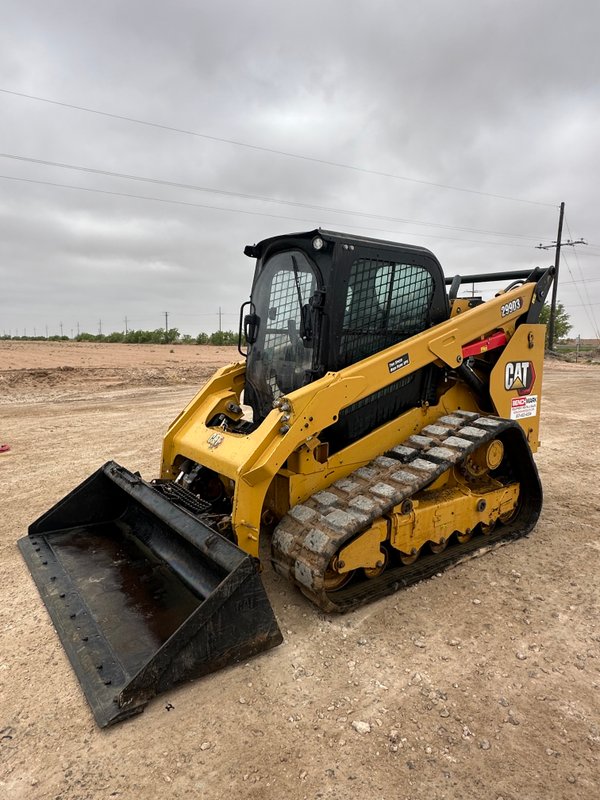
Small contractors and landscapers in North Texas face a critical decision when considering compact equipment: rent or buy? After managing hundreds of Cat 301.7 rentals across Denton County and surrounding areas, we've gathered real performance data that tells the complete ROI story. This analysis cuts through marketing claims to show you actual numbers from contractors working everything from Prosper residential developments to McKinney commercial sites.
The Cat 301.7's 1.7-ton operating weight makes it ideal for North Texas conditions where access is tight but you still need to move through our challenging clay soils. Most contractors we work with rent these machines for 3-7 days initially, then make purchase decisions based on their actual utilization patterns.
Cat 301.7 Specifications and North Texas Performance
The Cat 301.7 delivers 13.4 horsepower through a Yanmar diesel engine, providing enough power for most residential and light commercial applications we see in the DFW area. With an operating weight of 3,810 pounds and a compact 4-foot width, it fits through standard gates while maintaining stability in our expansive clay conditions.
Key specifications that matter for North Texas work:
- Maximum dig depth: 7 feet 7 inches
- Maximum reach: 13 feet 1 inch
- Bucket breakout force: 3,252 pounds
- Transport width: 4 feet 3 inches
- Ground pressure: 3.3 PSI
That 7.5-foot dig depth covers most residential utility work, but contractors working deeper sewer connections in areas like Celina or Aubrey often need to step up to our Cat 303 fleet. The breakout force handles typical North Texas clay, though customers hitting caliche layers around Sherman-Denison usually request a breaker attachment.
Real-World Productivity Analysis
We track productivity data from our rental fleet, and the 301.7 consistently moves 15-20 cubic yards per hour in typical North Texas clay conditions. A landscape contractor working a Frisco residential project last month averaged 18 yards per hour digging planting beds, while a utility contractor in Wichita Falls managed 12 yards per hour in harder clay mixed with caliche fragments.
Fuel consumption runs approximately 0.8 gallons per hour under normal operating conditions. However, summer heat above 100°F can push consumption 10-15% higher as the cooling system works harder. According to Department of Energy efficiency studies, proper operating techniques can significantly impact fuel costs over a machine's lifetime.
The zero tail swing design proves invaluable in tight residential settings. Contractors working established neighborhoods in areas like Trophy Club or Little Elm appreciate not worrying about property damage from the rear counterweight. This design feature alone prevents potential liability issues that could cost thousands more than rental fees.
Purchase vs Rental Cost Analysis
A new Cat 301.7 typically runs $45,000-52,000 depending on attachments and dealer incentives. Our rental rate is $285 per day, $950 per week, or $2,850 monthly. These numbers create clear break-even points for different usage patterns.
For contractors using equipment less than 100 hours annually, rental wins decisively. A landscaper in Gainesville rents from us 8-10 times yearly for specific projects, paying roughly $3,500 in annual rental costs versus $48,000 purchase price plus maintenance, insurance, and storage costs.
The break-even calculation changes dramatically with utilization. Contractors operating 200+ hours annually often find purchase makes financial sense, especially when considering IRS Section 179 depreciation benefits that can offset up to $1,160,000 in equipment purchases for qualifying small businesses.
Maintenance and Operating Cost Reality
Ownership brings hidden costs that renters avoid entirely. Based on manufacturer data and our fleet experience, annual maintenance runs $2,800-4,200 for machines operating 150-300 hours. North Texas conditions accelerate wear on cooling systems, air filters, and undercarriage components due to fine clay dust and temperature extremes.
Major service intervals occur every 250 hours for hydraulic system service and every 500 hours for engine overhauls. Caterpillar's planned maintenance programs help predict these costs, but contractors often underestimate the total expense when making purchase decisions.
Our customers avoid these headaches entirely. When hydraulic hoses fail on a Friday afternoon in Decatur, we either repair on-site or swap machines within hours. Contractors can't afford downtime when they're scheduled to start site prep Monday morning in Carrollton.
Insurance and Liability Considerations
Equipment insurance adds $1,800-2,400 annually for a $48,000 machine, depending on coverage limits and deductibles. General liability premiums increase when contractors own versus rent equipment, as OSHA construction standards hold equipment owners to higher maintenance and safety documentation requirements.
Theft remains a real concern for small contractors. We've had customers in Fort Worth and Irving report attempted thefts from job sites, even with GPS tracking systems. Rental eliminates this worry entirely - our insurance covers theft, vandalism, and catastrophic damage that would devastate a small contractor's cash flow.
Technology and Resale Value Factors
Equipment technology evolves rapidly, affecting resale values significantly. Five-year-old mini excavators typically retain 45-55% of original value, but models with outdated emission systems or lacking modern safety features depreciate faster. The Cat 301.7's Tier 4 Final engine meets current regulations, but future emission standards could impact long-term value.
Rental keeps contractors current with technology without depreciation risk. When newer models with improved fuel efficiency or enhanced operator comfort become available, renters simply request updated equipment for their next project.
Financial Flexibility and Cash Flow Impact
Small contractors need cash flow flexibility more than equipment ownership. A $48,000 equipment purchase ties up capital that could finance three additional projects or cover payroll during slow periods. According to Associated General Contractors of America data, cash flow management remains the top challenge for contractors with less than 50 employees.
Rental expenses appear on income statements as operating costs rather than debt on balance sheets, improving key financial ratios that banks evaluate for construction lines of credit. This accounting treatment helps contractors qualify for larger projects requiring bonding.
We've worked with landscapers who started renting equipment seasonally, built their customer base, then purchased once their utilization justified ownership. This progression makes financial sense and reduces risk during business growth phases.
Seasonal Demand and Storage Considerations
North Texas contractors face distinct seasonal patterns that favor rental flexibility. Summer heat limits outdoor work hours, while winter freezes can halt excavation projects for days. Owning equipment that sits idle 30-40% of the year makes poor financial sense for most small contractors.
Storage costs money too. Enclosed storage runs $150-300 monthly in the DFW area, while outdoor storage exposes equipment to weather damage and theft. Insurance companies often require specific security measures for outdoor storage, adding additional costs.
ROI Calculation Examples
Let's examine three contractor scenarios using real numbers from our customer base:
Scenario 1: Residential Landscaper (50 hours annually)
Annual rental cost: $3,200
Purchase price: $48,000
Annual ownership costs (maintenance, insurance, storage): $4,800
Total annual cost of ownership: $9,600 (including depreciation)
Rental savings: $6,400 annually
Scenario 2: Small Utility Contractor (200 hours annually)
Annual rental cost: $12,800
Purchase price: $48,000
Annual ownership costs: $6,200
Break-even point: 18 months with financing
Ownership becomes favorable after year 2
Scenario 3: Site Development Contractor (400+ hours annually)
Annual rental cost: $25,600
Purchase clearly favors this high-utilization contractor
Payback period: 14 months including tax benefits
Making the Right Decision for Your Business
The rent versus buy decision ultimately depends on honest assessment of equipment utilization, cash flow needs, and risk tolerance. Most successful contractors we work with start with rental to understand their actual usage patterns before making purchase decisions.
Consider rental if you use mini excavators less than 150 hours annually, prefer predictable operating costs, or need cash flow flexibility for business growth. Purchase makes sense for contractors with consistent year-round demand exceeding 200 hours annually and adequate cash reserves for maintenance and repairs.
The Cat 301.7 performs excellently in North Texas conditions regardless of ownership structure. Its compact size, reliable operation, and service support make it ideal for small contractors building their reputation and customer base.
Ready to test a Cat 301.7 on your next Denton County project? We keep these machines in our fleet specifically because they handle North Texas clay so well. Call us at (817) 403-4334 to discuss your specific application - we've probably rented for similar work and can share what actually performs in our local conditions. Most contractors find the machine pays for itself in labor savings within the first day of operation.